

Social media is constantly evolving. It’s never static. So many changes happened in 2025, and as we move through 2026, we’ve seen trends emerge and impact how social media managers work for brands, businesses, and clients.
We know change can be tricky to navigate, so every trend in this report is supported by data and research.
As a bonus, we're sharing our free social media management trends report with you.

TL;DR: Social media trends report for 2026
- Short-form and vertical video still dominates: TikTok, Reels, and Shorts lead engagement, with 38.8% of social media managers naming short-form video their top content priority for 2026.
- Authenticity and UGC are essential: Consumers are 2.4x more likely to trust user-generated content over brand content, making raw, relatable storytelling essential.
- Organic reach is declining, hyper-targeted ads are the fix: Facebook organic reach sits at just 2.2%, pushing brands toward hyper-targeted paid strategies for visibility and ROI.
- Social commerce keeps growing: 46% of consumers bought directly through social media in 2025, and the global social commerce market hit $1.2 trillion, led by Gen Z and Millennials.
- Private communities beat follower counts: Engagement in private online communities reaches nearly 50% of members, far outpacing public feed averages of 0.05–5%.
- Social fatigue is real. Quality beats quantity: Audiences are becoming more selective, rewarding brands that post less often but deliver higher-value content.
- Social SEO and GEO are essential: With TikTok increasingly used as a search engine (especially by Gen Z), keyword optimisation, alt text, and native captions are now table stakes.
- Use AI as a tool, not a shortcut: Consumers are turning away from "AI slop"; use AI for drafts and ideation, not for final posts or images published directly to your feeds.
- Threads is a serious brand opportunity: With 400 million users and unmatched organic reach, Threads rewards authentic, daily, platform-native content — and most brands still aren't on it.
- Episodic brand storytelling builds loyalty: Treating posts as chapters in an ongoing narrative hooks audiences and deepens engagement over time.
- The "brand host" persona builds trust: Social media managers stepping on camera as the human face of a brand are driving stronger relationships and greater authenticity.
- B2B is shifting from leads to brand awareness: B2B brands are deprioritising immediate lead generation in favour of long-term brand building, storytelling, and authentic engagement.
12 social media trends to monitor and implement in 2026
Below are our 12 research-backed social media trend insights for 2026 in more detail.
1. Why are short-form and vertical videos the key to your 2026 strategy?
Short-form and vertical video will continue to dominate in 2026, with platforms like TikTok, Instagram Reels, YouTube Shorts, and Facebook Reels leading the charge.
TikTok has 1.9 billion monthly active users (MAUs), as of Q1 2026, and its average engagement rate of 5.3% is higher than most social platforms.
It’s also overtaking Google in many ways as a search engine (social search optimisation), with 49% of consumers (and 65% of Gen Z) using TikTok as a search engine. And this trend is only going to increase across all demographics in 2026.
And there's a good reason for it.
Why do short-form videos work?
- Bite-sized content fits shrinking attention spans.
- Videos are highly engaging, offering a mix of entertainment and education.
- 90% of vertical videos (Instagram Reel, Instagram Story, Facebook Reels, TikTok videos, YouTube Shorts) have a higher watch completion rate than horizontal videos.
Wyzowl's video marketing statistics report clearly shows that video marketing is the way forward:
- 91% of businesses use video as a marketing tool.
- 96% of video marketers report that video marketing has increased users' understanding of their products or services.
- 91% say video marketing has helped them increase traffic.
- 89% of people say watching a video has convinced them to buy a product or service.
- 79% of people say watching a video has convinced them to buy software or an app.
Research also shows that users in the US spend an average of 45.8 minutes per day on TikTok and that Instagram users watch 17.6 million hours of Reels daily!
How to succeed with short-form videos
Data and reports aside, if you looked at your own social media networks, you would notice that you personally consume more short-form videos when scrolling.
If you want your business to succeed on social media and achieve your goals, engaging social media videos are the way to go in 2026.
When planning your short-form video strategy, it is essential to ensure that you are not blindly participating in trends and experimenting with unique sound clips just to be trendy:
- Focus on value: Create videos that educate, entertain, or inspire your audience while addressing their pain points.
- Creating content without a purpose is still a big "NO!". A clear CTA is necessary to get the viewer into the client funnel. Keep the goal of these videos as the central focus. Because, as we all know, you can’t take views and likes to the bank.
- Plan strategically: Answer key questions like:
-
Who is your target audience?
-
What is the goal of the video? Brand awareness? Ads? Personal connection?
-
Where will it be posted? TikTok, Reels, or Shorts?
-
Platform-specific tips for short-form videos
- TikTok: Use trending sounds, but ensure your content aligns with your brand’s goals. Prioritise visual storytelling to build emotional connections.
- Instagram Reels: Focus on visually compelling, concise content with compelling CTAs to drive engagement.
-
YouTube Shorts: Repurpose TikTok content to promote longer YouTube videos.

The possibilities of short-form videos are endless, and this is precisely why this social media trend remains the leading one. The good news is you can schedule any type of short-form video (Reels, TikToks, YouTube Shorts) on any platform using Sendible.
2. Why authenticity and UGC is even more crucial in 2026?
In 2025, raw, unfiltered content reigned supreme. Audiences, especially Gen Z and Millennials, want to connect with relatable and transparent brands.
The shift from mega-Influencers to micro and macro-influencers & UGC
Consumers are tired of overly polished, generic content that feels disconnected from real-life experiences. Instead, they crave genuine interactions and relatable storytelling.
User-generated content (UGC) is a natural extension of this demand, acting as the ultimate proof of authenticity. By blending UGC with authentic, brand-created content, businesses can build trust, foster community, and enhance engagement.
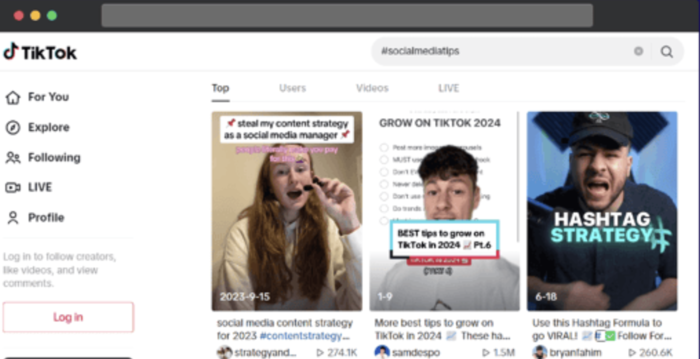
Why UCG and creator-economy micro-influencers work:
- Consumer expectations: A study found that 90% of consumers value authenticity when choosing brands.
- Impact on engagement: User-generated content is perceived as more trustworthy and engaging. For instance, 75% of professional marketers consider UGC more authentic, and engagement increases by 28% when consumers can view a mix of user-generated product videos and official brand-created content.
- Consumer trust: Consumers are 2.4 times more likely to view user-generated content as authentic than brand content, highlighting the importance of authenticity in building trust.
- Influence on purchase decisions: User-generated content significantly impacts purchase behaviour, with 82% of consumers more likely to make a purchase after seeing it.
How brands can be authentic on social media:
1. Show your human side:
Add BTS as one of your social media content pillars.
Share behind-the-scenes content, employee stories, and day-in-the-life videos. This helps audiences see the people behind the brand and fosters a sense of reliability. Don't be afraid to share no-context quotes, team-building photos, and challenges of different roles.
2. Participate in real-time trends:
Engage with trending topics and challenges in ways that align with your brand values, but don’t force participation just to appear relevant.
3. Be transparent:
Address mistakes openly, share insights about your processes, and provide an honest look at your company’s journey. Transparency is a cornerstone of authenticity.
Why is UGC so important in 2026?
UGC not only provides a cost-effective way to scale content but also brings trust and relatability that’s difficult to achieve through brand-created content alone. It lets consumers see how real people interact with your products or services.
How to integrate UGC effectively into your social media strategy:
- Encourage customers to share:
- Create branded hashtags or challenges to motivate users to share their experiences. For example, a fitness brand might use #MyFitnessJourney to collect workout stories.
- Highlight UGC across channels
- Feature UGC on your website, social media, and even in ads. For instance, Instagram Stories are perfect for sharing customer reviews or unboxing videos.
- Collaborate with micro-influencers:
- Partner with influencers who naturally align with your brand and can encourage their audiences to create UGC.
Neal Schaffer, Author of The Age of Influence and Digital Threads says, "When I look at where social media is headed in 2026, it’s clear that creators aren’t just amplifying the customer journey anymore—they are the journey, guiding people from first discovery all the way to confident purchase with a level of trust brands simply can’t manufacture on their own."
Almost 6 full months later, we have to agree. This is exactly the way social media content has moved, and continues to move.
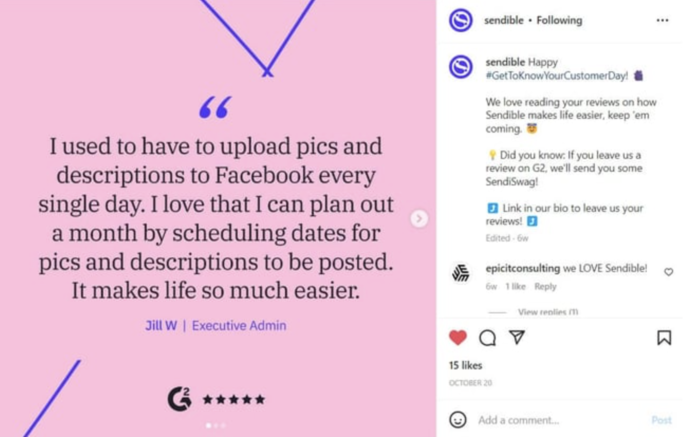
Platform-specific strategies for UGC and authenticity:
- Instagram: Use branded hashtags to collect UGC and repost the best submissions in Stories or on your feed. Pair these with Reels showcasing authentic, behind-the-scenes content.
- TikTok: Encourage UGC through trending challenges or duets to amplify authentic customer experiences with your products.
- YouTube: Highlight UGC through testimonial videos or customer reviews in your brand’s official content.
- Facebook Groups: Create a dedicated group where users can share their stories, photos, or feedback about your brand.
Why UGC and authenticity works:
- Trust-building: UGC and authentic content resonate deeply because they reflect real-life experiences and transparency.
- Cost-effectiveness: UGC enables brands to produce high volumes of content at lower production costs.
- Increased engagement: Audiences are more likely to engage with content they perceive as genuine, leading to stronger connections and loyalty.
3. Why is organic reach declining? Narrow-targeted ads are the solution
As platforms prioritise paid content and creator-driven posts, organic reach steadily declines.
Facebook posts now reach just 2.2% of followers on average, while Instagram posts reach 9.5%. This trend has pushed brands to rely more on paid strategies to maintain visibility.
However, generic, broad-reaching campaigns no longer deliver results in a world where users expect personalised and relevant content.
Narrow-targeted social media ads are the key to cutting through the noise and maximizing ROI.
Why hyper-targeted social ads matters:
- Platforms like TikTok, Instagram, and LinkedIn are saturated with content, making it harder for brands to stand out organically.
- According to a PwC study, targeted advertising and promotions have caught the attention of 31% of respondents, with Gen Z showing the highest interest at 43%. When asked about the types of ads that influence their pre-purchase decisions:
- 37% of respondents prefer ads that directly link them to offers and promotions for their favourite brand or product.
- 34% are attracted to sponsored ads on social media platforms.
- While social media advertising can be challenging, it still plays a significant role in your clients' online sales success. As of May 2026, social media adverts are responsible for 15.2% of all online sales.
- With advanced targeting tools and AI-driven insights, platforms now offer unprecedented precision in reaching the right audience at the right time.
How to adapt your social advertising strategy:
-
Leverage analytics for precision: Use platform tools such as Meta Ads Manager, LinkedIn Campaign Manager, or TikTok Ads to segment audiences by interests, behaviours, and demographics.
-
Combine organic insights with ads: Monitor your highest-performing organic posts and use them as templates for targeted ads. Boosting proven content ensures better engagement and ROI.
-
Experiment with retargeting: Retarget users who have interacted with your organic content or website to create a second touchpoint that moves them further down the funnel.
Platform-specific strategies for hyper-targeted ads:
- Facebook & Instagram: Use Lookalike Audiences to target users with similar characteristics to your best customers. Pair this with Instagram Reel ads to tap into the platform’s most engaging content format.
- TikTok: Focus on Interest Targeting combined with trending ad formats like Spark Ads, which amplify organic posts from creators.
- LinkedIn: Narrow your focus to industry-specific audiences and use Lead Gen Forms to capture data directly from ads.
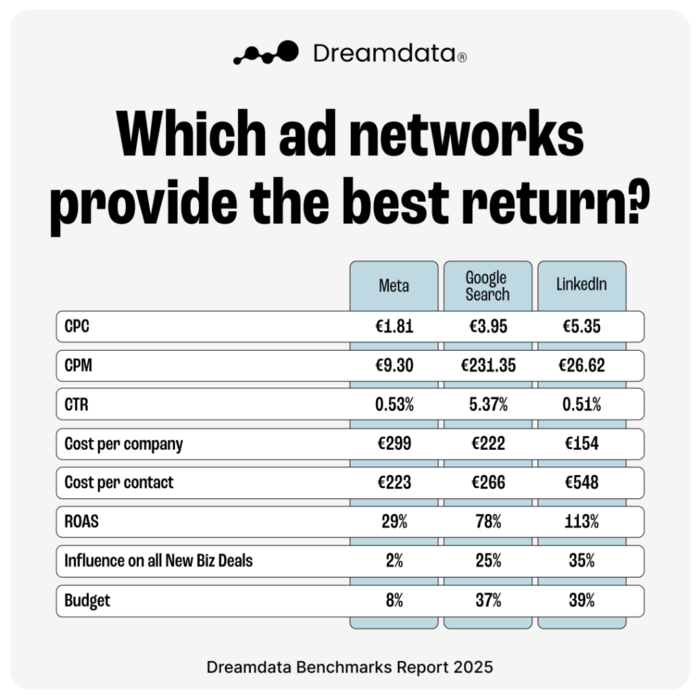
The bottom line:
While organic reach continues to decline, narrow-targeted ads offer a sustainable path forward. They allow brands to extend the reach of their best content, reach hyper-specific audiences, and drive meaningful engagement in an oversaturated digital landscape.
Combining organic strategies with paid precision allows you to achieve visibility and results without relying solely on one approach.
4. Social commerce is continuing to increase
Social commerce — the inevitable blending of social media and e-commerce — has experienced significant growth and transformation in recent years.
Social commerce factors in 2026:
- Platform integration: Platforms like Instagram and TikTok are enhancing in-app shopping features, making it seamless for users to discover and purchase products without leaving the app.
- Live shopping events: The popularity of live shopping, where influencers and brands showcase products in real time, is expected to grow, creating interactive, immediate purchasing opportunities.
In 2025, 46% of consumers reported buying products directly through social media. In fact, the global social commerce market reached $1.2 trillion in 2025, driven predominantly by Millennials and Gen Z consumers. That number is staying steady in 2026, mainly as a result of inflation and war-driven economic uncertainty.
Consumers actively engage with social media throughout their purchasing journey:
- Discovery: 74% use social media to discover new brands.
- Validation: 76% seek reviews on social platforms to validate a company before making a purchase.
Brands and businesses with at least one social media account have 32% higher average sales than those that don't use social media. An active, authentic social presence means more sales.
In fact, the GoDaddy report revealed that the top three platforms are:
- Facebook
- Millennials: 67% believe it is important for small businesses to have a presence here.
- Gen Z: 49% still value Facebook, though TikTok and Instagram dominate their generation.
- Instagram
- 61% of Generation Z expect businesses to be on Instagram.
- Millennials: 49% also actively shop on this platform.
- Additionally, a report from Piper Jaffray found that 73% of Gen-Z shoppers in the U.S. want brands and retailers to connect with them about new products and promotions through Instagram.
- TikTok
- It is Generation Z’s favourite option for impulsive purchases.
- 48% of Gen Z make purchases at least once a month on TikTok.
Statista reports that social media platforms have become the latest shopping destinations. Their data reveals that in 2023, the social commerce market in the US generated approximately $5.6 billion in revenue.
Projections suggest this figure will almost double within the next five years, reaching nearly $141 billion.
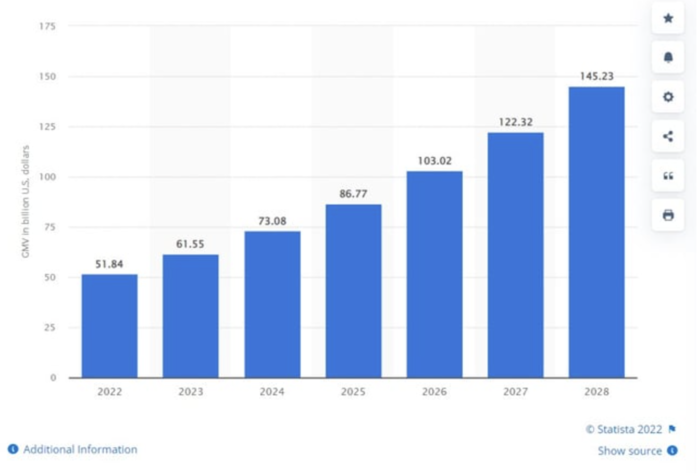
Source: Statista
So, what does all of this mean for you?
As online buying becomes increasingly common and consumers use social media to buy or review products, you must provide easy ways for customers to purchase.
You want to work with them to minimise potential purchasing frustration and equip them with native shopping experiences and opportunities available on social media apps like Facebook, Instagram, and TikTok. This will result in a higher ROI and a better user experience.

How to include social selling in your social media strategy
Regarding social selling, the social media strategy is slightly different from what you might use for a service-based business.
- You'll want to post more consistently. This strategy requires producing high-volumes of content with shoppable links posted in more places. For example, if you're a fashion or jewellery brand, you will want to take advantage of having an Instagram Shop. This way, you'll be able to:
- List products in your shop.
- Create posts with shoppable links.
- Post Instagram Stories with clickable links that lead to the purchase page.
- Ensure you're tracking link clicks to optimise your strategy. UTMing your links is crucial if you want to measure ROI from your social selling efforts. Track them all on one social media analytics dashboard.
- Leverage User-Generated Content (UGC). Encouraging customers to share their purchases and experiences can build trust and drive sales through authentic endorsements.

5. Private communities: Why connections are more important than follower counts?
One recurring message on social media is that you need to build a community.
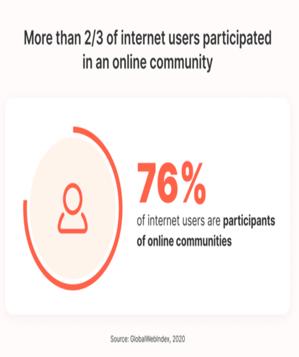
This might sound vague or idealistic, but 66% of branded communities report that their community has impacted customer retention. According to the Global Web Index, 76% of internet users participate in online communities.
The amazing thing about a focused and mighty community is that this is where the brands’ most loyal and dedicated customers are. These are those ride-or-die, forever customers who are first to purchase and support.
With all this in mind, it's no wonder that some social media platforms, like TikTok and Instagram (Reels), now have handy features that allow you to respond to comments with videos, or share comments to your Instagram Story, and provide even more value.
But you can take this even further by creating private communities.
Following trends we’ve seen last year, in 2026, the focus continues to move further from amassing large follower counts to fostering engaged, meaningful communities.
Public feeds are no longer the primary channel for interaction; instead, users are migrating to private groups and niche communities on platforms such as Facebook Groups, Discord, and Slack.
This transition reflects a desire for personalized interactions and deeper connections, where users feel valued and heard, not just targeted.
Why create a private social media community in 2026
- Decline of public engagement: Social fatigue and oversaturation have driven users away from the chaos of public feeds.
- Trust and belonging: Private online communities offer a more focused and authentic engagement experience compared to public social Feeds. These communities provide a dedicated space for meaningful conversations, fostering a sense of belonging among members.
- Higher engagement rates: While social media engagement averages between 0.05% to 5% of total followers, nearly 50% of members in private online communities are actively engaged.
How to succeed with private communities:
- Build exclusive groups:
- Create Instagram Broadcast channel, Facebook Groups, Discord servers, or Slack channels for your audience.
- Offer value through exclusive content, early access, or discussions led by your team or guest experts.
- Encourage user participation:
- Invite members to share their insights, experiences, or UGC to foster a collaborative atmosphere.
- Use polls, AMAs (Ask Me Anything), and interactive posts to spark conversations.
- Facilitate deeper connections
- Focus on quality over quantity by building a smaller but highly active and loyal member base.
- Reward community engagement with shoutouts, loyalty perks, or giveaways.
Platform-specific strategies for private communities:
- Facebook Groups: Create a branded Facebook community around shared interests or goals (e.g., social media tips for small business owners). Use it as a hub for sharing resources, sparking discussions, and running live Q&A sessions.
- Discord: Build a server tailored to your audience's niche interests, offering dedicated channels for Q&A, product feedback, and live events. Utilize Discord's voice and video features for interactive sessions.
- LinkedIn Groups: Focus on professional discussions, industry insights, and peer-to-peer networking. Use LinkedIn Groups to share exclusive industry reports or facilitate meaningful B2B connections.
- Slack Communities: Ideal for B2B brands, Slack groups can provide an intimate space for professionals to share ideas and solutions. Organize channels by topics or projects to streamline discussions.
- Instagram Broadcast Channels: Use Instagram’s broadcast channels to connect directly with your audience through curated content. Share exclusive updates, behind-the-scenes insights, polls, and resources. Since these are one-to-many messaging features, they are perfect for fostering a sense of inclusion and keeping your followers informed in real time.
This and next year, success on social media isn’t about chasing numbers—it’s about building a safe, inclusive home for your audience.
Private communities enable brands to create safe, trusted spaces where followers become loyal advocates. By focusing on depth and fostering genuine connections, brands can build lasting relationships that drive engagement and loyalty.

6. Social fatigue and selective engagement
In an oversaturated social media landscape, users are becoming increasingly selective, engaging with fewer high-quality posts.
Why selective engagement works:
- Users are overwhelmed by the sheer volume of content, spending less time scrolling and more time seeking value.
How to succeed with selective engagement:
- Quality over quantity: Post less often but focus on delivering high-value content that educates or entertains.
- Interactive content: Use polls, quizzes, and Q&As to encourage active participation.
- Personalised storytelling: Build an emotional connection with relatable stories.
Platform-specific tips for selective engagement:
- Instagram Stories: Polls, quizzes, and "Ask Me Anything" (AMA) stickers can encourage engagement.
- LinkedIn: Publish thought-provoking articles or case studies tailored to your professional audience and experiment with Polls.
- X: Use concise, insightful threads that break down complex topics.
- Threads: Engage more authentically, and if you’ve ditched X then double-down on your Threads strategy.
- Facebook Groups: Q&A threads are a great way to start a discussion.
7. How can social media managers optimize for social search, SEO, and Generative Engine Optimisation (GEO)?
More people are turning to TikTok for answers and information rather than Google. A recent Adobe survey on this found that:
When you pair this with the factors that affect the TikTok algorithm (that's influencing changes in all the others) and the fact that Google now indexes Instagram posts, you'll realise that hashtags alone don't cut it anymore. You’ve got to optimise for social search.
How to implement social SEO:
- Do keyword research to find out what format you should use and what topics you should cover.
- Use keywords in the caption of the social media post.
- Start adding alt text to your social media images to improve accessibility.
- Do not forget to add keyword-optimised captions to your videos natively.
- Subtitles are an absolute must for any video format.
- UTM your links using social media tracking tools.
8. How to use AI content ethically and effectively in social media marketing
AI-generated content refers to content created using artificial intelligence tools, including natural language processing, machine learning, and computer vision.
With the rise of social media platforms, there is a growing demand for high-quality, engaging, and personalised content. This is where AI-generated content comes in: it enables marketers to create content quickly and efficiently, saving time and resources.
Several AI tools have emerged to help marketers create social media content. Here's just a quick breakdown of the most famous ones:
- ChatGPT is a natural language processing tool that can be used to generate social media copy.
- Synthesia is a video creation tool that uses AI to create personalised videos at scale.
- Lexica is a tool for generating images from natural language descriptions.
But if you'd like to opt in for an undisrupted experience, we suggest you try Sendible's AI Assist. Save time by quickly generating engaging captions and ideas and ensuring brand consistency directly from Smart Compose Box, freeing you up to focus on other important tasks.
While there are benefits to using AI-generated content, such as faster content creation, increased personalisation, and cost savings, there are also some drawbacks.

One of the biggest concerns is the lack of creativity and authenticity in AI-generated content. There is also potential for errors, biases, and ethical concerns in the use of AI-generated content.
In 2026, consumers and B2B buyers are turning away from “AI slop”, so we urge caution in the use of it to create social media content. Here’s how:
- Use AI tools for first drafts, not finished outputs
- Use it for ideas, not what you share directly onto public feeds
- Be even more careful, or avoid it altogether, when creating images or videos.

9. Threads is here to stay and worth investing in
In the first 24 hours since Threads launched, Meta CEO Mark Zuckerberg announced that Threads had reached 30 million users. People continue to flock to it because it’s a nicer, more authentic social media environment than Musk-owned X (formerly Twitter).
Now in 2026, Threads has over 400 million users and offers unparalleled organic reach (Sendible grew its own Threads views by a staggering 30,000% in 3 months).
Threads, created by the Instagram team as a major competitor to X (formerly Twitter), enhances your experience of sharing texts and engaging in public discussions. Or so they say.
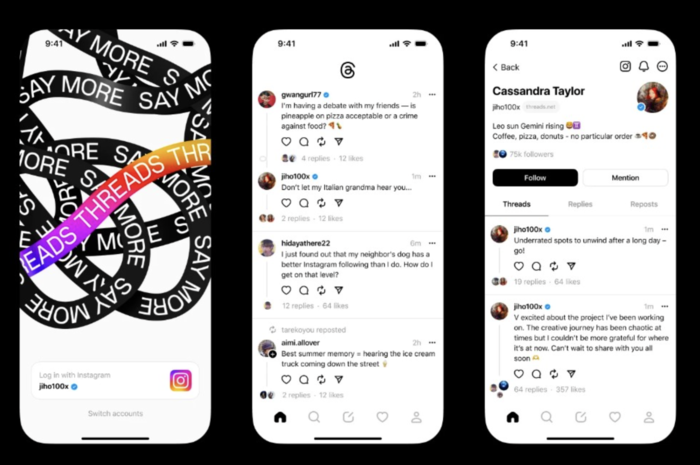
It provides a dedicated space for self-expression, meaningful conversations, and connecting with like-minded individuals. You can easily log in with your trusted Instagram account, personalise your profile, and immerse yourself in a vibrant community.
Take control of who mentions and replies to you. Explore posts from accounts you follow and discover recommended content. Seamlessly share your thoughts to Instagram and other platforms. With Threads, there are no limits to your authenticity and creativity.
How to implement a Threads strategy:
- Be authentic and imperfect: Drop the polished corporate tone. Raw, honest, and even humorous content consistently outperforms branded imagery and formal copy.
- Post daily: Daily posting and reactive replies are essential. Consistency is what builds momentum, and momentum compounds over time.
- Create platform-native content: Never repurpose posts from X, LinkedIn, or Bluesky. Threads requires content written specifically for it.
- Go heavy on community management: Replies, quotes, and joining conversations (using words, images, or memes) are the real growth engine.
- Be reactive: When a trend or moment hits, jump on it quickly. Give whoever runs your account the authority to post without waiting for approvals.
- Avoid links and branded imagery: They tank engagement and make your presence feel corporate.
- Schedule evergreen content in advance: Frees you up to focus on reactive, in-the-moment posting when it matters.
- The opportunity is still wide open: Even in 2026, only a tiny fraction of brands are active on Threads, so early movers have a significant advantage.
- A key driver of engagement in 2026: Threads uses a complex machine-learning stack prioritizing engagement velocity (early velocity over a 30-minute window) and reply depth (nested threads) over superficial likes.

10. Episodic brand storytelling is valuable in 2026
A growing number of brands are rethinking storytelling by treating every post or video as a “chapter” in a larger narrative.
Rather than posting disjointed, trend-driven content, these brands create interconnected episodes that build character arcs and ongoing storylines.
This approach not only provides a cohesive brand narrative but also hooks followers by inviting them to tune in for the next “episode” of the story.
Whether through a dedicated content pillar or across multiple channels, episodic storytelling is proving effective at deepening audience engagement.
How to use episodic storytelling
This approach works for brands with large followers. Here is how you could get started:
- Create a story concept
- Decide on the content formats, types, and resources being used to create this story
- Map out every “episode” in this story
- Implement it and monitor brand growth across the relevant platforms.
11. Why embracing the "brand host" persona builds authenticity
In a significant shift, social media managers are stepping out of the shadows to become the human face of their brands.
Instead of interacting solely through generic, faceless brand accounts, audiences are now connecting with real people who embody the brand’s values.
How to leverage a brand host persona
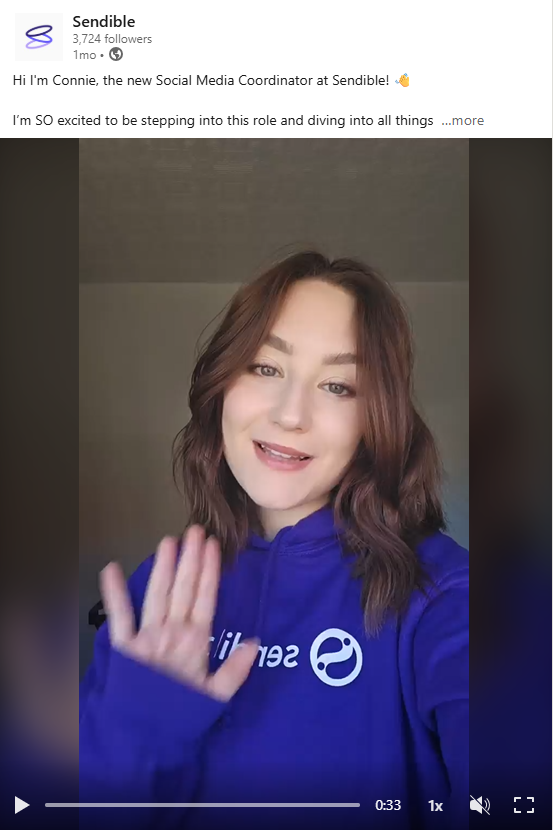
For example, SEMrush has set a precedent by positioning its social media managers as approachable experts, fostering stronger relationships and enhancing brand authenticity. And we at Sendible are doing it, too! Did you have a chance to meet Connie?
You can see her on Instagram and TikTok, or read her unhinged posts on Threads!
She also just started her weekly newsletter, which is published online (yes, it's all lowercase), so you can connect with her by sharing inbox confessions.
12. B2B marketing shifts to brand awareness
B2B marketing is transforming, with a noticeable shift from lead generation to brand awareness.
Recent research indicates that lead generation has dropped to the seventh priority, while establishing and maintaining a strong brand presence has climbed to the top.
This trend aligns closely with the evolving emphasis on storytelling and personal connection. By prioritising brand awareness, B2B companies are not only enhancing their market presence but also aligning with the broader digital trends that favour authenticity and long-term engagement over immediate conversion metrics.
How to adjust to brand awareness as a B2B business
- Find (using Sendible Analytics) which platforms work best for your business
- Which platforms you’re getting the most traction
- Where brand awareness is happening
- And crucially, where traffic and clicks are coming from
- Double down on creating even more engaging content for those core platforms to drive engagement.
Trends to keep an eye on: #Hashtags are dying
It’s not as alarming as it might sound. Social media networks are increasingly behaving like search engines, making social SEO and GEO essential. Just like traditional SEO, Social SEO involves a variety of elements, with hashtags being just one part of the mix.
You can’t simply add 20 hashtags and hope for the best. It’s important to be intentional with your choices. On Instagram, you aren’t allowed more than 5 now. Your hashtags should align with your keywords, description, and post content to be effective.
Make use of your social media holiday calendar, to use highly-relevant hashtags for your brand and the time of year.

The latest social media news: June 2026
Staying on top of annual social media trends is important for adjusting your strategy. But if you're serious about reaching those business goals, you'll want to stay up to date on the latest social media news as well.
This will allow you to develop new tactics and experiments and act promptly to adjust your content strategy.
Here are the latest ones:
📊 LinkedIn expands analytics with new metrics. You can now track saves and sends in your LinkedIn Analytics, providing deeper insights into how your audience engages with your content.
🧵 Threads introduces automatic post counters. When sharing multiple posts in a thread, the app will now automatically number them so readers can follow along in order. Btw, did we mention we grew our Threads views by 30,000% in three months?
📌 Instagram brings back pinned comments. Instagram has reintroduced the option to pin your own comment to the top of your post, ideal for context, updates, or key highlights.
🔗 Instagram is testing the ability to add links to posts. Yes, that's right! Your clients and managers have been asking about it for a decade now, and we thought they were crazy. But they actually saw the future.
🖇️ Speaking of links, they said that adding a link to LinkedIn doesn't limit a post's reach. But LinkedIn's Senior Director of Product Management also said that your post needs to give enough context that it can stand alone. In other words, the post should be written so users don't need to click the link.
Don't forget to subscribe to our monthly newsletter Insider to stay on top of the news.

Some final thoughts: Social media trends in 2026
There are numerous trends you could hop on to. But be careful, as it is too easy to get lost in them. This is why we carefully selected these 12 trends that could make the biggest impact on your social media strategies and content pillars in 2026.
And now that you're familiar with everything there is to know about the latest social media trends, it's time to work on your strategy! So, read our handy guide on content pillars and start planning social media content calendars for your clients.
Social media scheduling made easy, with Sendible.
Plus we support agencies: Find out more: streamline your social strategy.

Try Sendible free with 14-day free trial.
Leverage Sendible’s extensive integrations to create, schedule, publish, and engage with your posts seamlessly.

Text copied!