

The hotel industry is changing. As a hospitality sector CMO or marketing lead, you need to know the latest trends in the hotel industry. The trends in this article show the ways that people go on vacation, search for hotels, and engage with social media content are changing in 2026.
Burnt-out travellers are chasing calm, screen-free escapes, known as "hushpitality" and calm-cations. Hotels that reflect that stillness in their social content are winning attention.
At the same time, AI Search and AI-powered search tools and TikTok are replacing Google for trip planning. Hotels need to optimise for conversational, FAQ-style content rather than traditional keywords.
TikTok has matured into a genuine booking engine, with staff-generated POV videos and direct bio links closing the gap between discovery and conversion.
Hyper-local, experience-led "whycation" content is outperforming generic property shots, with Instagram Collabs with micro-influencers, and local partnerships amplifying reach. When there’s too much AI-generated fluff (or slop), raw and behind-the-scenes authenticity is the only content that truly can't be copied.
Let’s dive into all of these in more detail.
TL;DR: 7 hospitality trends for hotels to monitor and adapt to in 2026
- The rise of "hushpitality" and calm-cations: Stressed-out travellers are seeking digital detoxes, and hotels that mirror that stillness in their social content are cutting through the noise.
- From SEO to GEO: Changing how guests find hotels now. AI Search (AI Overviews, AI Mode, etc.) and AI tools like Gemini, Claude, ChatGPT, and Perplexity are replacing Google for trip planning, making conversational, FAQ-style content essential. SEO is becoming Generative Engine Optimisation, and the hotel sector needs to adapt to it.
- TikTok as a direct booking engine: TikTok has evolved from awareness to intent, with staff-generated POV videos and direct bio links turning views into bookings.
- AI-powered personalisation as "revenue infrastructure": 71% of guests now expect tailored offers. Because of this, social data is becoming a key part of the personalisation engine, and AI is making it easier than ever.
- Hyper-local "experience-led" content and holidays: "Whycation" travellers want trips built around personal passions, rewarding hotels that curate genuine local experiences.
- Authentic "un-copyable" content vs. AI fluff/slop: As AI-generated content floods the web, raw behind-the-scenes footage from real hotel teams stands out. As does anything genuine, human, and authentic (especially if it’s not polished and perfect).
- Managing the chaos: multi-channel social media for hotel teams: Hotel groups managing multiple properties and platforms need centralised tools to scale without losing consistency or the personal touch. Hotels also need to make sure that any guest or potential customer questions that arrive via a DM or tagging (@) don’t get overlooked. That’s why it’s worth having a priority inbox, especially for large, multi-location hotel brands and chains.
What are the biggest shifts in the hotel industry for 2026?
One of the key trends we’re seeing in 2026 is the shift from “more is more” and FOMO travel to quieter, intentionally slower, less busy breaks.
We don’t have to look far for the cause: the way the world currently is, war, over-work, inflation, AI, climate change, constant screen time and doomscrolling. People want, need a break. Hotels that can give guests this are going to beat those that don’t change in 2026.
Hilton’s 2026 Trends Report of 14,000 adults across 14 countries found these trends to be the most important:
- “Travel as Escape: Nearly half (48%) of travelers are making space for solo time by adding extra travel days before or after family vacations, while more than half (54%) say they would take a business trip to get a break from their family or partner.
- Alone Together: More than a quarter (27%) of business travelers actively seek solo time during work trips – with 30% opting for a private late-night meal or snack after group events, and 19% choosing sleep over socializing with colleagues.
- Silence, Streamlined: Nearly three-quarters (73%) of travelers value digital check-in, and 27% are communicating with hotels more than they used to, favoring tech that enables ease and quick responses.”
Takeaways; 3 trending holiday types:
- Calm-cations, hushpitality
- Whycations
- Experience-led breaks
We explain more about those 3 in the seven broader trends we’ve outlined in the rest of this article.
7 of the latest trends in hotel industry to align around in 2026
Below are 7 of the key trends that hotels are already adapting and aligning around in 2026.
#1 The rise of "hushpitality" and calm-cations
Definition:
-
Hushpitality and calm-cations are designed to appeal to guests that want to genuinely “get away from it all”, even if that’s in the middle of a city.
- Also known as a quietcation, the idea is to lean into the JOMO (the joy of missing out).
- People are burnt out.Tired. Fed up of screen time. A calm-cation helps people genuinely detox from digital, enjoy a quieter, calmer time, and de-stress from their everyday lives.
- Hotels that adapt to these needs will profit from this trend.
How to:
If you've noticed a surge in muted, slow-paced travel content on your feeds recently, you're not imagining it. A growing movement towards what's being called "quiet travel" (in the hospitality sector, "hushpitality" or calm-cation) is reshaping how guests choose where to stay, and how hotels create content that’s relevant to this trend.
Guests are actively seeking an escape from the noise, stress, and anxiety of everyday life. And crucially, they want more than just a nice hotel room. People are crying out for genuine restoration: a place where the phone goes in the drawer, the Wi-Fi password isn’t needed, and the itinerary is blissfully empty.
This is fuelling demand for digital detox packages, silent retreats, and what's become known as "restorative" social media content. Instead of flashy, fast-paced Reels set to trending audio, guests are gravitating towards content that mirrors the peace they're eagerly searching for.
Visually this means:
- Slow pans across fog-covered lakes
- The sound of rain on a window
- A fire crackling in an empty lounge.
Content that makes you exhale just by watching it.
For social media managers, the strategic takeaway is straightforward: Less is more.
Instead of seeing another busy, fast-paced video, you will grab attention and stop someone scrolling by giving them . . . very little. But that little is a lot. It’s someone stopping and thinking, “That’s exactly the kind of holiday we need!”
Resist the urge to fill every frame with text overlays and call-to-action (CTA) prompts.
Lean into stillness. Showcase the unhurried pace of your property: the morning light through sheer curtains, a relaxed breakfast service, the view that needs no filter and no caption.
If your hotel can credibly position itself as a refuge from relentless scrolling and stress, you're speaking to win customers who want a break from it all. If you can lean into this trend even more, with a range of wellness products and services, then even better.
Hotels best able to align with this trend are those in countryside locations, and ones with spas and other relaxation-based facilities.
#2 From SEO to GEO: How guests find hotels now
Definition:
- In 2026 (and last year too), AI-generated answers have been quietly shifting how people find and book hotels.
- GEO is changing how people find hotels. Reducing “click-through rates to hotel websites by 18-24% on informational queries, but increasing click-through rates on transactional queries (where the user is ready to book) by 8-12%.” (Source)
- Part of this is influenced by reviews. 71% of AI-generated hotel recommendations are driven by guest reviews, according to Feefo.
- Hotels that describe themselves clearly and consistently are far more likely to appear in AI Overviews and Local SEO results, which influence AI-generated answers.
The hotel social media content calendar template
How to:
Google (SEO) was and still is the main way people plan holidays. However, AI in search engines (AI Overview and AI Mode) and AI apps are changing how people find hotels, flights, restaurants, and things to do in cities and countries they’re visiting.
For example, when someone asks Claude "What's the best boutique hotel in Maine for a romantic weekend in autumn?", the AI doesn't return a list of blue links like a search engine (SERPs). AIs synthesise information from across the web and deliver a direct answer.
If your hotel isn't part of that answer (e.g., if your website doesn't clearly address the kinds of natural-language questions your ideal guests are asking) it won't appear in AI-generated answers.
- This shift from SEO to GEO/AEO is forcing a change in how hotels approach their online content.
- Traditional SEO rewarded pages packed with keywords.
- GEO rewards content that's written the way people actually speak.
- Your marketing manager or SEO team/agency needs to adapt or create FAQ-style pages that directly answer specific questions, like but not limited to the following:
- "Is the hotel suitable for families with young children?"
- "What's the nearest train station, and how far is the walk?"
- "Do you offer parking, and is it included in the room rate?"
These conversational, specific, clearly structured answers are exactly what AI tools are trained to surface.
It's also important to align your social with your wider digital presence. Ensuring that your social channels, website, and third-party listings, OTAs, and reviews all tell a consistent, question-ready story will become a genuine competitive advantage.
For a deeper dive into how social media content intersects with search strategy, this guide to social media SEO is an excellent starting point.
#3 TikTok as a direct booking engine
Definition:
- TikTok started as a brand awareness play for most hotels. Especially appealing to the younger generation (Gen Z).
- That started to change in 2025. Now, 75% of hotel bookings are mobile-first, according to Punch Hospitality.
- TikTok is at the heart of that shift, and that’s no longer limited to Gen Z. TikTok has evolved into an intent and search-driven platform where people aren’t just looking for holiday inspo, but are genuinely searching for hotels, restaurants, destinations, and experiences.
How to:
Because TikTok has evolved into a platform where intent is formed and acted upon, hotels have to reconsider their TikTok content.
TikTok content format that's proving most effective is the staff-generated POV (point of view) video. Instead of polished, marketing-department-approved footage, these are authentic clips shot from the perspective of hotel staff going about their day. For example:
- A chef plating up the evening's special
- A bartender making a new cocktail
- A concierge pointing out a hidden local gem
- A hotel manager showing guests the latest calm-cation package
- A housekeeper doing a walk-through of a freshly turned room.
It feels real because it is real, and that authenticity translates directly into trust.
For social media managers, the practical upshot is that everyone in the hotel staff can play a role in creating this content.
Give staff simple guidelines: a phone with decent stabilisation, and permission to show the reality of the property. Just make sure the bio of any team member involved does the commercial heavy lifting (and this profile is 100% part of the corporate social media plan).
The bio needs to include:
- A clear link (probably using Linktr.ee)
- A clear call to action
- And is regularly refreshed.
#4 AI-powered personalisation as "revenue infrastructure"
Definition:
- For years, personalisation in hotel marketing meant addressing someone by their first name in an email. That's no longer enough.
- 71% of guests now expect personalised offers from the hotels they engage with, and 76 percent get frustrated when this doesn’t happen, according to McKinsey.
- These need to be actual offers that reflect their preferences, their history, their specific circumstances.
How to:
Examples of the kind of hyper-personalisation that guests or potential customers now expect include:
- A couple on a honeymoon that wants a champagne welcome and late checkout.
- A solo business traveller wants express check-in and a quiet table at breakfast.
- A family wants the cot in the room before they arrive and a recommendation for a nearby playground, soft play, or other family friendly activity.
For social media managers, the interaction between AI personalisation and social content is increasingly significant. Data gathered through social interactions (what a guest shares, the posts they save, and comments) should inform personalised communications from the email/CRM team.
A guest who consistently saves content featuring your hotel's rooftop bar is telling you what they love about staying in your hotel.
AI social media assistant to hotel marketers
A returning guest who tags you in their anniversary dinner photo is signalling an emotional connection that’s worth nurturing with a special offer to encourage them back.
The social layer is becoming part of the data infrastructure that feeds personalisation. Hotels that understand this, and invest in the tools to connect these dots will see meaningful gains in guest satisfaction, repeating booking rates, customer spend, and revenue.
#5 Hyper-local "experience-led" content and holidays
Definition:
- Customers want more than a nice hotel to stay in.
- They want every trip they take to mean something, to be special.
- For hotels, this means leveraging the "whycation" trend.
- According to Hilton’s newly released 2026 Trends Report, The Whycation: Travel’s New Starting Point, the question is “Why are we going?”
- Whycation and experience-led “travel is driven by emotional motivations: the desire to rest, the urge to reconnect and a longing for experiences that feel meaningful.”
How to:
Hilton's 2026 Trends Report found that 72% of travellers want to use travel to explore a personal hobby or passion. This could include but isn’t limited to:
- Birdwatching
- Ceramics
- Photography
- Wild swimming
- Painting
- Foraging.
Whatever the niche, there is a traveller who will travel specifically to pursue it.
This represents an enormous opportunity for hotels. But only if they're willing to think beyond what they normally do, like half-heartedly putting flyers out for local activities and sights to see.
Hotels doing well in this space are acting as curators of genuine local experience. Partnering with local experts, artisans, and outfitters to offer guests access to something they couldn't find on their own.
And they're promoting those partnerships through social media in ways that feel authentic and specific, rather than vague and “if you feel like it.” Making activities a purposeful part of a hotel's offering will pay dividends this season and long-term.
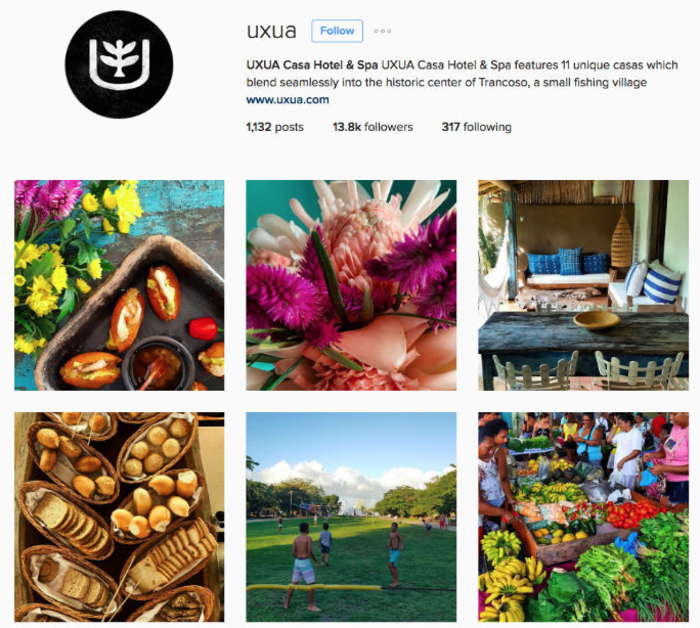
Social media content for these kinds of things practically creates itself. You can use a combination of posts from the experts and people responsible for these activities, and UGC posts from guests and people who’ve done them.
This is the kind of content that people save, share, and send to friends with the caption "we should do this." Content that does your marketing for you.
#6 Authentic "un-copyable" content vs. AI fluff/slop
Definition:
- Right now, too many marketers and hotels are using too much AI-generated content (aka, AI fluff or “slop”)
- The problem is, most AI-generated content looks the same.
- You’ve got smooth captions, perfectly edited (or generated) images, and forgettable, but on-brand messaging.
- When every hotel's Instagram feed looks and reads like it was generated by the same AI (because, increasingly, it was), the only way to stand out is to be authentic and human.
How to:
Having an active social media presence is an operational necessity. Today's travellers conduct extensive research across Instagram, Facebook, TikTok, Google, and YouTube before making booking decisions.
Audiences have finely tuned detectors for inauthenticity. In an environment saturated with AI-generated imagery and templated captions, a genuinely human post stops the scroll in a way that no amount of production value can replicate.
On social platforms, originality is becoming one of the key differentiators that algorithms and AI-powered search tools use to surface content.
As the web fills up with AI-generated copy, SERPs, AEOs, and AIs are placing growing value on content that's demonstrably original:
- First-hand accounts. POV guest reviews.
- Genuine perspectives and real guest experiences
- 30-seconds of authentic footage that clearly isn’t AI-generated.
Hotels that win the content game will be the ones with the confidence to be genuinely, unmistakably themselves.
#7 Managing the chaos: Multi-channel social media for hotel teams
Definition:
Social media for hotel chains involves managing a wide range of channels and accounts:
- 1 for the brand across every channel
- 1 for each location, also across every channel
- Some hotels might also be managing an in-house F&B brand for every location too, or a spa/wellness centre
That’s a lot of social channels and platforms. For brand consistency, you need to manage those centrally. But at the same time, each location and sub-brand (F&B or spas, etc.) needs to have the ability to make on-site content, offers, and promotions.
Social media tool, Sendible, is popular with hotel chains, brands, and operating teams. It’s also used by agencies to manage hotel social media marketing on behalf of busy in-house marketing teams.
Here are some of the ways that Sendible makes hotel social media marketing easier.
How to manage multi-location hotel chains and brands with Sendible
Hotel managers need to have the freedom to publish local and timely content when it’s needed and useful. It’s crucial to help them hit revenue targets and shift inventory.
At the same time, national and international brands still need to control the overall messaging, visually, and the words put into every social posts.
You need a social media tool that can do both. Deliver centralised planning, content, and approvals, whilst also giving hotel managers and marketing staff the ability to publish on-site (e.g., those popular POV short videos) and be reactive to things happening in the local area.
With Sendible, you can do both, and so much more.
Visual content scheduling and curation
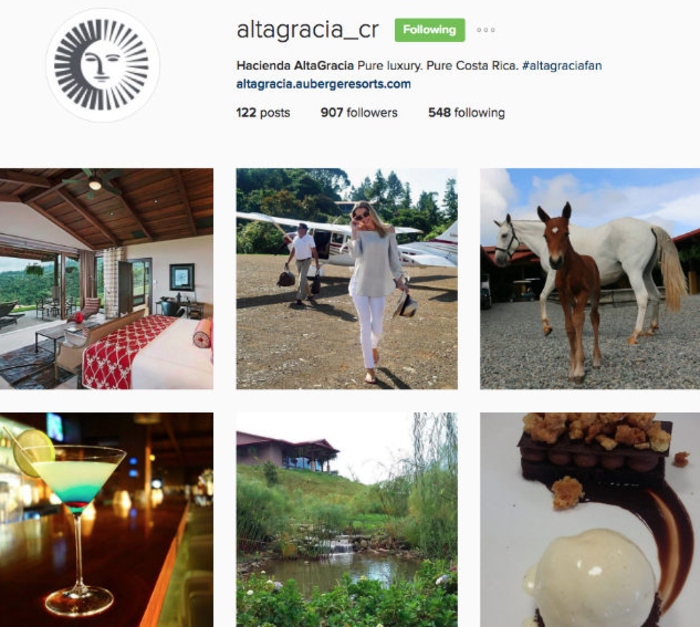
Hotel marketing is visual, from pictures of the rooms and food and beverage (F&B) facilities to destination highlights and guest experiences. The best tools offer:
- Drag-and-drop visual schedulers showing how your feed will look
- Image editing features for quick adjustments
- Video scheduling for property tours
- Template libraries for consistent branding
- Bulk upload features for multiple photos
Centralised multi-property management
For hotel chains, coordinating messaging across locations is essential. A robust social media tool should provide:
- Ability to manage multiple property accounts from one dashboard
- Property-specific scheduling and customization
- Centralised approval workflows
- Unified analytics across all properties
- Separate or combined reporting by location
Unified guest communication inbox
Potential guests can and will ask questions across social media channels and booking platforms at any time of the day or night. A unified inbox brings together messages from all platforms. Look for tools that offer:
- Message priority features to highlight urgent booking inquiries
- Automated response suggestions for common questions
- Team assignment features
- Response time tracking
Centralised content library and brand management
Hotels need organised systems for managing content while maintaining brand consistency. This is even more important if you’re working with agencies, freelancers, or influencers. Important features you are going to need include:
- Role-based access for team members
- Content approval processes
- Shared content libraries
- Brand guideline enforcement
- Template management for consistent messaging
Detailed analytics and reporting for bookings
Understanding which content drives bookings helps you optimise your strategy. Analytics should track:
- Engagement rates on different content types
- Peak times when target guests are most active
- Conversion tracking from social media to bookings
- Performance of promotions
- Guest inquiry source tracking
Why hotel operators, CMOs, and managers choose Sendible for social media management:
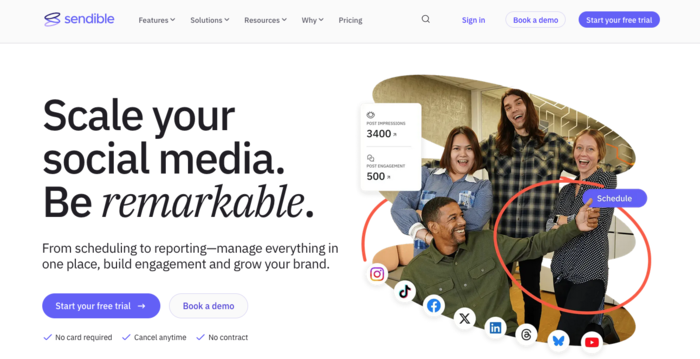
- Visual scheduling excellence: Plan your content with a clear view of how your feed will appear to potential guests
- Smart queues: Set up seasonal promotions to post automatically, keeping your feed active during busy periods
- Multi-property management: Manage multiple hotel locations from one dashboard
- Team collaboration: Multiple team members can add content while keeping approvals simple. Making it easy to manage social media with an internal marketing team, or an external agency, freelancers, or influencers.
- Custom reporting: Create reports showing how social media drives bookings and inquiries
- Content library: Store room photos, destination images, and promotional graphics in one organised space
- Multi-platform publishing: Manage Facebook, Instagram, TikTok, YouTube, and more from one dashboard
- Affordable pricing: Plans start at just $29/month
Best for: Multi-property hotel chains and independent hotels that want professional social media management without taking up valuable time.
Summary: Future-proofing your hotel brand
How guests find and book hotels is changing. Despite AI playing a bigger role in content creation people want authenticity, human moments and emotions more than ever.
At the same time, hotels need to align websites, content, and other SEO-based marketing around the demands of AI search. You can also use AI to work more efficiently and deliver personalisation at scale. But again, make sure the personalisation is authentically human, not AI slop!
In terms of trends for 2026: Whycations, and calm-cations are two of the top ones that hotels can tailor packages for. If you’re able to, then make sure marketing materials (especially social) are created to advertise those packages. If customers want them, then scale out those offerings across more locations.
As ever, social media is an essential part of how you promote your brand, locations, and chain. Doing that efficiently, whether in-house or outsourced (or both) will make everyone’s jobs easier. No more last minute panics on a Friday to get the weekends content approved and scheduled.
FAQs: Common questions about hotel trends in 2026
What is the most popular hotel marketing trend in 2026?
If you had to pick just two forces reshaping hotel marketing right now, it would be short-form video and generative engine optimisation (GEO). Both are more connected than they might first appear.
Short-form video, led by TikTok but equally popular across Instagram Reels, Facebook, and YouTube Shorts, has moved from a brand awareness tool to a revenue-driver.
Guests are making real travel decisions based on a 30-second POV clip of a hotel room or a silent ambient video of a property's lounge at dusk. The visual, immediate nature of short-form video aligns perfectly with how travellers discover and evaluate places to stay. The road from “I need this” to “I’ve booked that” is shorter than you think.
At the same time, GEO is quietly becoming just as important. As more guests turn to AI tools like Gemini and Perplexity to plan their trips instead of typing search terms into Google, hotels are having to adapt their SEO strategy. Web copy (landing pages), articles, and FAQs that are structured around clear, conversational answers are much more likely to appear in AI-generated answers, either in AI apps and in the search engine.
The alignment between the two trends is this:
- Short-form video builds emotional desire
- GEO-optimised content ensures your hotel, brand, and location appears when that desire turns into an active search.
Combined, that’s the funnel that hotel marketing teams need to understand and design content around. The good news is this isn’t a new strategy. It’s simply building on and improving what most hotels should already be doing.
How do social media managers save time in the hospitality industry?
Managing social media for a hotel is relentless. Content needs to go out consistently across multiple platforms. Engagement needs monitoring around the clock, and performance data needs to inform the next round of decisions.
In most cases, this is either being handled by an in-house marketing team that sits alongside performance-based marketing and new bookings/customer service. Or a hotel outsources this to an agency or freelancers. There are numerous set ups. If your current approach isn’t working, it might be time to evaluate the best way to drive growth forward using organic marketing (alongside advertising and OTA management).
Big time-savers for hospitality social media managers in 2026 are centralised scheduling and AI-assisted data analysis.
Centralised social media and marketing scheduling tools allow teams to plan, approve, and publish content across all channels from a single dashboard. Removing the need to log into each platform and account individually. This dramatically reduces the time it takes to do content management. For hotels with multiple properties or a small in-house team, one platform can reclaim hours of work every week.
AI-assisted data analysis takes that time-saving a step further by doing the heavy lifting on performance reporting. Instead of manually pulling metrics and building reports, social media managers can use AI tools to identify what's working, flag underperforming content, and surface actionable insights almost instantly. The result is less time spent in spreadsheets and more time spent on the creative and strategic work that actually moves the needle.
Try Sendible free with 14-day free trial.
Leverage Sendible’s extensive integrations to create, schedule, publish, and engage with your posts seamlessly.

Text copied!