

The hotel world has changed a lot in the past ten years. Most bookings now happen online instead of over the phone. OTA platforms like Booking.com and Expedia make it easy for guests to find hotels, but they charge high fees — usually between 15% and 25% of each booking. For hotels already working with tight budgets, these costs add up fast.
Want some good news?
Social media is now the best way to get guests to book directly with you. When you use social media well, it does more than just make people aware of your hotel. It helps you connect with potential guests, showcase what makes your property special, and guide them directly to your booking engine. This means you keep more money from each booking.
7 High-Impact Social Media Campaigns for Hotels
Key takeaways:
Social media has become the primary tool for driving direct bookings and reducing expensive OTA commissions. By combining these 15 strategies, hotels can create a powerful marketing system that attracts guests, builds loyalty, and maximises revenue:
- Create engaging short-form video content: Use TikTok and Instagram Reels to show authentic experiences through staff interviews and guest perspectives, not just property tours.
- Cultivate user-generated content constantly: Encourage guests to share their experiences using branded hashtags and create Instagram-worthy moments throughout your property.
- Launch exclusive offers that bypass rate parity rules: Provide social followers with special perks and bonuses that make direct booking more valuable without breaking OTA agreements.
- Use destination marketing to capture early-stage planners: Share local guides, hidden gems, and insider tips to position your hotel as the destination expert.
- Partner with local micro-influencers for authentic reach: Collaborate with engaged, smaller creators who genuinely connect with your target audience.
- Leverage paid social ads for hyper-targeted retargeting: Target people who've already shown interest with personalised, time-sensitive offers.
- Structure content using clear, conversational Q&A formats: Answer specific guest questions directly to optimise for AI tools and voice search.
- Implement up-to-date schema markup for data interpretation: Use structured data to help search engines and AI systems understand your content.
- Ensure absolute consistency across all digital touchpoints: Keep your hotel's information identical across your website, Google Business Profile, and all OTA listings.
- Master online reputation management across platforms: Respond promptly and professionally to all reviews on Google, TripAdvisor, and social channels.
- Implement loyalty programs for high-value guests: Create simple, attractive programmes that reward repeat bookings and build lasting relationships.
- Drive revenue with pre- and post-stay email sequences: Use emails to upsell services before arrival and encourage reviews and rebookings after departure.
- Claim and optimise your Google Business Profile (GBP): Keep photos, amenities, and information up to date, and use individual hotels' GBPs to promote exclusive offers.
- Integrate your booking engine with meta-search platforms: Ensure your direct booking option appears on Google Hotel Ads, Kayak, and other comparison sites.
- Use data analytics to inform all content decisions: Track which channels and content types deliver actual bookings, not just engagement, and adjust your strategy accordingly.
Whether you run a small boutique hotel or manage several properties, these tips will help you stand out and turn followers into paying guests.
Dive into this guide for these 15 practical hotel social media marketing ideas in more detail for marketing teams who want to boost direct bookings and revenue in 2026.
What is the foundation of a 2026 hotel marketing strategy?
Before you start running campaigns, you need to get the basics right. If you don't know who you're targeting, what makes you different, and how guests book with you, even the best creative ideas won't work.
Define target audiences beyond basic demographics
Saying your target audience is "25-45 year olds with money to spend" isn't useful anymore. Being successful means fully understanding why guests travel, what they care about, and how they make booking decisions. For example:
- Are your ideal guests adventure seekers who need a home base?
- Are they wellness lovers looking for peace and quiet?
- Do they book on a whim within 2 days, or do they plan everything months in advance?
- More useful guest personas look beyond age and income. What social media platforms do they use?
- What makes them choose one hotel over another — pretty Instagram photos, friend suggestions, or loyalty programs?
When you understand these details, you can write messages that connect emotionally rather than generic posts people scroll past.
Identify your unique experiential selling proposition (USP)
These days, guests aren't just paying for a bed. They're buying an experience, a feeling, and a story they can share. Your unique selling point needs to go beyond shifting inventory. Yes, comfortable beds and fast Wi-Fi are expected. But what emotional experience can only happen at your property?
- Maybe it's your rooftop bar with amazing sunset views.
- Maybe it's the chef's table dinner with local ingredients.
- Or maybe it's your concierge who knows all the hidden spots tourists never find.
The best hotels sell the adventure, the change, or the escape — not just the room. Your social media should bring this to life through real stories.
Prioritise a frictionless path for increasing direct bookings
Even the best social media campaign will fail if your booking process frustrates guests. Most people browse on their phones now, so your hotel's website must load fast, look good on smartphones, and have a booking engine that works perfectly on all mobile devices.
Your booking system should be simple: easy date selection, clear pricing with no surprise fees, a promise of the best rate, and a checkout that doesn't ask for too much information.
Every extra click or confusing step gives guests a reason to give up. Or worse, go back to an OTA's website or app. Make direct booking the easiest and most rewarding choice, and guests will pick you.
How can digital marketing drive your hotel business forward?
In the hospitality industry, the majority of potential customers find and book rooms on mobile devices. A good digital marketing strategy must prioritise mobile-first experiences above all else. This means your hotel's website loads quickly, looks great, and offers an easy booking process on smartphones.
Search engines give better search rankings to mobile-friendly sites, whilst social media platforms like Instagram and TikTok are made for phones — where your target audience spends lots of time. The hospitality sector needs to be geared for mobile-first search experiences.
Your online marketing needs to work across many marketing channels:
- SEO helps people find you on Google
- Content marketing shows why guests should book at your hotel
- Email marketing campaigns keep past guests engaged.
- Paid ads reach new audiences.
- And your Google Business Profile helps locals and visitors discover you.
Each marketing channel plays a role in your overall marketing plan, and they all need to work together to create a smooth guest experience from first click to check-in.
How do social media teams successfully drive hotel bookings?
Social media isn't just about getting followers — it's about turning those followers into guests.
Here are 15 ways that smart social teams turn likes into revenue.
1. Create engaging short-form video content for every channel
Short videos are now the most popular content type on social media, especially on TikTok and Instagram Reels. But many hotels still make boring property tours that don't grab attention. Instead, show the real experience through genuine perspectives, and do this across every platform, including Facebook, Threads, and X (Twitter).
Film staff members sharing their favourite local spots. Interview guests about unexpected surprises during their stay. Document a day at your property from morning yoga to evening drinks. These human stories create emotional connections that room photos can't.
Social media algorithms push engaging videos to more people, making this your cheapest way to reach new audiences. Social media has gone from just building brand awareness to actually driving revenue for the hospitality business.
Successful hotel marketing strategy now uses social media platforms to show memorable guest experiences through user-generated content. This turns happy guests into brand ambassadors and brand advocates who naturally promote your property to their friends. When you run social media contests, highlight local events, and partner with the local community, you generate buzz that goes far beyond paid ads.
A natural approach to hospitality marketing builds brand loyalty and creates a steady source of direct traffic that skips expensive online marketing middlemen. This lets hotel businesses keep more money from each booking whilst making their brand positioning stronger in their target market.
2. Cultivate user-generated (UGC) content constantly
User-generated content (UGC) works as powerful proof that polished marketing can't match. When potential guests see real people — not models or influencers — truly enjoying your property, trust soars.
Get guests to share their experiences by creating branded hashtags, offering small rewards for tags and mentions, and making your property Instagram-ready through smart design choices. The pool with the ideal photo angle. The wall mural that makes people want a selfie. The beautifully plated breakfast that people need to share. These moments create free marketing that extends your reach whilst building trust.
Tools like Sendible help social teams watch for mentions across multiple platforms, find the best user-generated content, and get permission to use this content in your own posts — all from one place.
3. Launch exclusive offers that bypass rate parity rules
Rate parity rules with OTAs often stop hotels from showing lower prices on their direct channels. But you can create special deals that make direct booking more attractive without breaking these agreements.
Give social followers special access to limited-time packages with bonus extras, such as free breakfast, spa credits, late checkout, room upgrades, or welcome gifts. Call these "VIP perks for our community" instead of discounts, and make people book through your hotel's website to get them. These offers create urgency, reward loyalty, and keep more money in-house.
Find out more: How to Promote a Hotel Chain: Strategies for Brand Consistency and Scale
4. Use destination marketing to capture early-stage planners
Travellers don't start by searching for hotels — they begin by picking destinations. (Unless someone has to book a specific hotel for a certain reason). When you position your property as a local expert and share useful destination content, you can grab attention early in their planning process.
Make detailed guides to nearby attractions. Share seasonal event calendars. Point out hidden neighbourhood gems. Give insider tips that only locals know.
This content makes your hotel the go-to source for experiencing the destination, building trust long before they're ready to book. When these early planners finally decide to book, your property will be first in their mind.
5. Partner with local micro-influencers for authentic reach
Big influencers with millions of followers often don't give hotels good value—their audiences are too broad, their content feels fake, and their fees are huge. Micro-influencers with 5,000 to 50,000 engaged followers in your target market work much better.
These creators usually have genuine relationships with their audiences, create high-quality content, and often work in exchange for free stays rather than large payments. The key is ensuring the influencer's personal brand aligns with your property's style. Their content should feel genuine, not like an advert.
Sendible's approval workflows let you keep your brand consistent by checking influencer content before it goes live. This ensures quality control whilst still using their authentic voice and engaged audience.
6. Leverage paid social ads for hyper-targeted retargeting
Getting people to see your posts naturally won't maximise bookings alone—smart paid advertising fills important gaps. The best approach is highly targeted retargeting campaigns aimed at people who've already shown interest.
Target people who visited your website but didn't finish booking, looked at specific room types, or engaged with your content without booking.
Show them personalised ads with time-limited offers, guest reviews, or answers to common concerns. This personalised approach converts warm leads much better than broad campaigns targeting cold audiences.
What are the keys to optimising hotel content for AI and LLMs in 2026?
As artificial intelligence and large language models play a bigger role in how people discover and plan travel, making your content work for these systems becomes crucial. Traditional search engine optimisation alone won't be enough.
Hospitality Social Media Marketing for Hotel Chains: Strategies for Scalable Growth
7. Structure content using clear, conversational Q&A formats
AI tools like ChatGPT and Google's AI Overview answer user questions by pulling clear answers from websites. Generic marketing copy won't show up in these results. Instead, organise your website content around the specific questions potential guests ask.
Make FAQ sections that address common questions (while also aligning with what people are asking in search engines, on social media, your customer service team, and via AI tools):
- "What time is check-in?"
- "Do you allow pets?"
- "Is breakfast included?"
- "What's your cancellation policy?"
Give clear, complete answers right after each question. This conversational style matches how people ask AI assistants questions, making it much more likely that your information will be shown as the answer.
8. Implement up-to-date schema markup for data interpretation
Schema markup — structured data built into your website's code — helps search and AI engines understand and categorise your content correctly. Without it, even great information might be missed or misunderstood.
Add schema markup for hotels that clearly shows your property type, amenities, policies, location details, and pricing. Keep this structured data up to date as things change. This technical foundation helps AI tools confidently mention your property when users ask questions like "find pet-friendly hotels in Manchester with late checkout".
9. Ensure absolute consistency across all digital touchpoints
AI systems check trustworthiness partly through consistency. When your hotel's name, address, phone number, or policies are different across your website, Google Business Profile (GBP), and OTA listings, it creates confusion and reduces trust; both for AI systems and real visitors.
Conduct regular checks to ensure information is identical across all platforms. This consistency makes your local SEO performance stronger whilst building the reliability signals that AI systems look for when deciding which sources to mention or recommend.
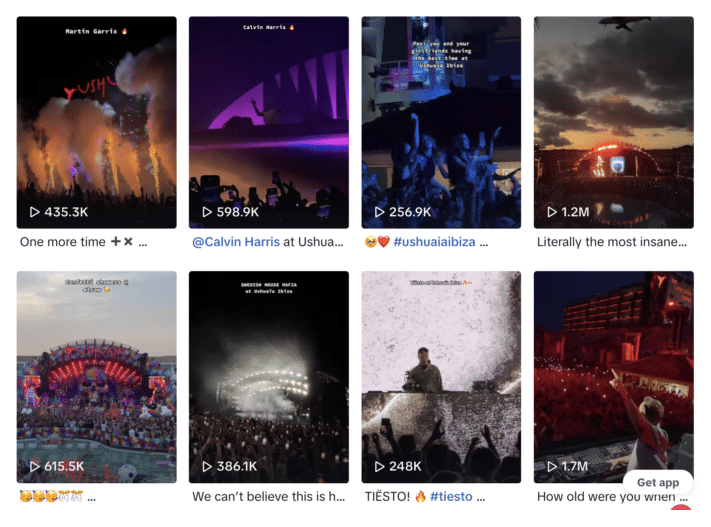
What essential digital marketing channels support the social ecosystem?
Social media doesn't work in a silo, and in multi-hotel chain groups, individual hotels can’t work in a silo either. These supporting channels create a complete digital system that boosts your social efforts and drives conversions.
10. Master online reputation management across platforms
Your online reputation directly affects booking decisions—potential guests read lots of reviews before they commit. Managing your reputation across Google, TripAdvisor, and social media isn't optional anymore.
Reply promptly and professionally to all guest reviews, both positive and negative. Thank guests for praise. Address real concerns with genuine apologies and explain what you're doing to fix things. Handle unfair criticism with grace. These public responses show future guests that you care about feedback and keep improving their experience.
11. Implement loyalty programs for high-value guests
Loyalty scheme members can bring in up to 60% of direct bookings for hotels with strong programmes. These returning guests are your most valuable group — they book directly, spend more per stay, and provide steady revenue (none of which is taken by OTA’s).
Design a simple, attractive loyalty programme with real benefits: room upgrades, flexible cancellation, special rates, or points towards free nights. Promote membership through social media and make signing up easy. The lifetime value of a loyal guest is far more than the perks you offer.
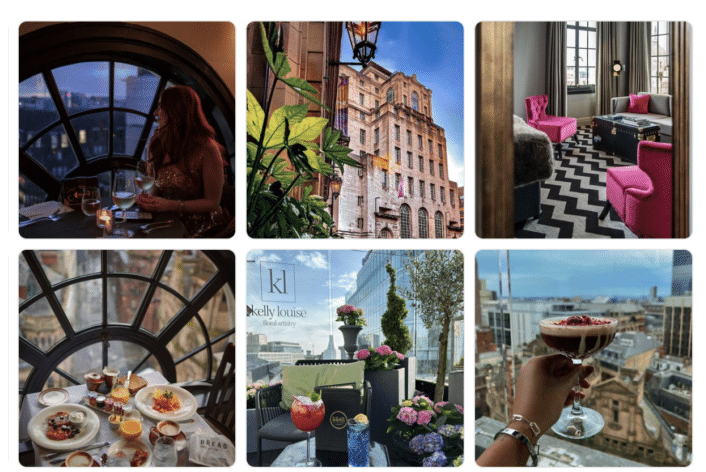
12. Drive revenue with pre- and post-stay email sequences
Email marketing remains one of the best-value marketing channels when done right. Pre-stay emails create chances to earn extra money by offering spa treatments, dinner reservations, airport transfers, or activity bookings. These messages also build excitement and reduce no-shows.
Post-stay emails do several things: ask for reviews whilst the experience is fresh, offer time-limited rebooking deals, and collect feedback for improvements. These touchpoints extend the guest relationship beyond their physical stay and create paths for return visits.
13. Claim and optimise your Google Business Profile (GBP)
Your Google Business Profile is often the first impression travellers get of your property. Make sure this free tool works for you by keeping your photos of your best features current, maintaining accurate amenity lists, updating hours and policies, and keeping your GBP up to date.
Use social posts cross-promoted via Google to amplify your special social offers, seasonal packages, or upcoming events. These time-sensitive updates appear prominently in search results and Maps, driving direct traffic to your booking engine.
14. Integrate your booking engine with meta-search platforms
Meta-search platforms like Google Hotel Ads, Kayak, and Trivago collect rates from OTAs and direct booking options. Making sure your booking engine appears on these platforms with good rates gives travellers the option to book directly whilst they're comparing prices.
You'll still pay for these placements, but the costs are usually lower than OTA commissions. More importantly, you keep the guest relationship for future marketing. Show your direct booking option clearly alongside OTA listings to catch price-conscious travellers.
15. Use data analytics to inform all content decisions
Gut feeling and creativity are still valuable, but data should drive your decisions. Track which social channels give the best return on investment, which content types create the most bookings (not just likes), and which campaigns hit your target cost-per-booking.
Change your content strategy and budget based on real numbers, not vanity metrics like follower counts or likes. A social platform with fewer followers but higher conversions deserves more investment than one with a huge reach but minimal bookings. Regular analysis ensures continuous improvement and maximum efficiency.
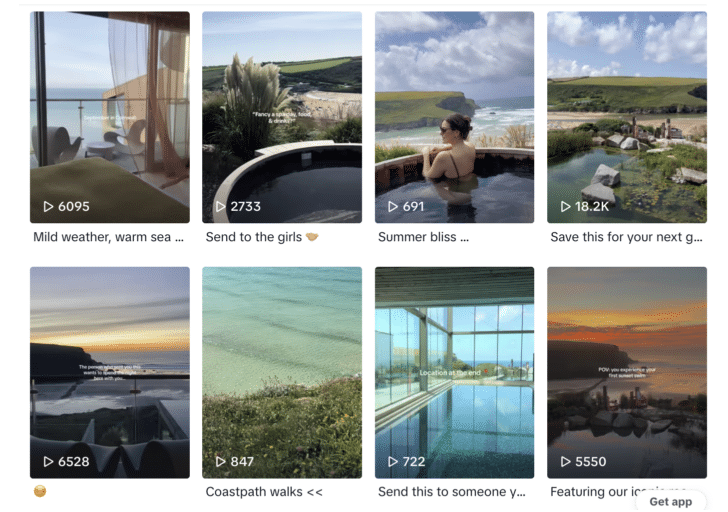
The path forward: efficiency, integration, and intelligence
The hotel marketing landscape in 2026 needs a unified approach that smoothly combines social media, content optimisation, reputation management, and direct booking incentives.
For social media teams, managing this complexity across multiple platforms whilst keeping messages consistent and tracking performance can feel overwhelming.
This is exactly where Sendible becomes essential.
By bringing your social media management into one place, making user-generated content curation more efficient, streamlining influencer approval workflows, and providing complete analytics across all channels, Sendible helps your team execute sophisticated, multi-channel strategies without drowning in admin work.
Hotels and motel chains that succeed in 2026 won't be those with the biggest marketing budgets—they'll be the ones that work smarter.
They'll use the right strategies and tools to turn social engagement into profitable direct bookings. Your guests are already on social media, actively planning their next trip. The question is: will they find you there, and when they do, will your strategy turn their interest into a booking?
Start putting these 15 ideas into action today, and watch your direct booking revenue grow whilst your dependence on OTAs shrinks. The future of hotel marketing is social, strategic, and totally achievable.
Try Sendible free with 14-day free trial.
Leverage Sendible’s extensive integrations to create, schedule, publish, and engage with your posts seamlessly.

Text copied!