

For social media managers and real estate agents, the challenge isn't just posting content — it's building a strategy that transforms followers into clients and one-time buyers into brand advocates. Real estate is an industry where a single transaction can represent someone's largest financial decision; trust is the foundation of everything.
The problem is that most real estate social media accounts look identical. The same listing photos, the same "just sold" graphics, and the same motivational quotes about homeownership.
When every real estate agent is shouting the same message, how do you or your clients stand out?
The answer lies in leveraging content pillars.
Content pillars are a strategic framework that brings consistency, purpose, and authenticity to every post. Content pillars ensure that every piece of content you publish serves a specific purpose in building trust, demonstrating expertise, and nurturing client relationships.
Key Takeaways:
- Content pillars are one of the best ways that real estate agents can ensure social media content is consistent, engaging, building trust, and revenue growth.
- Trust is the essential ingredient in relationships for real estate agents, and you build it only by being consistent, helpful, and engaging.
- One of the best ways to do that is to organise your content around 7 key pillars:
- Educational content
- Hyper-local market insights
- Social proof and client stories
- Personal branding, behind-the-scenes, POV
- Direct engagement and community conversations
- Promotional content (especially listings)
- Checklists and guides (actionable content)
In this guide, you'll discover seven essential real estate marketing content pillars designed specifically for the unique challenges of the property industry.
Why a real estate marketing strategy must focus on trust
Real estate transactions are fundamentally different from almost any other purchase. When someone buys a coffee, a pair of shoes, or even a car, the financial and emotional stakes are manageable.
However, buying or selling a home is a life-changing decision that involves hundreds of thousands of dollars, months of stress, and dreams for a long-term future in that house. Buying and selling is far more than transactional; it’s aspirational.
This means that buyers and sellers don't just need information — they need reassurance, and that starts with how you and your real estate agency present yourself online. These days, that starts with social media, even if they’re checking out your listings because of seeing your “For Sale” signs around town.
Potential buyers and sellers need to feel confident that their agent understands their needs, knows the market inside and out, and will advocate for their best interests when it matters most.
According to the NATIONAL ASSOCIATION OF REALTORS® 2025 Profile of Home Buyers and Sellers survey, 73% of sellers only interview one agent before choosing who to work with, and that decision is overwhelmingly based on trust and reputation.
Your social media presence is often the first impression potential clients have of your agents. Before they pick up the phone or send an email, before they attend an open house, they're scrolling through Instagram, Facebook, and reading Google reviews.
Potential buyers and sellers are asking themselves:
- Does this agent understand my neighbourhood?
- Do they communicate clearly?
- Do they seem like someone I can trust with the biggest investment of my life?
A content pillar strategy addresses both consistency and transparency by giving you a clear roadmap for what to post and why. Instead of waking up each morning wondering what to share, you'll have a strategic framework that ensures every post contributes to building trust, demonstrating expertise, and staying top-of-mind with your audience.

The 7 essential real estate marketing content pillars
Now that we understand why trust is the foundation of real estate marketing, let's explore the seven content pillars that will structure your entire social media strategy. Think of these pillars as the supporting columns of a building — each one serves a distinct purpose, and together they create a solid, dependable structure that potential clients can rely on.
Want to grow your real estate agent's social followers, buyers, sellers, renters, and landlords? Sign-up to Sendible: From scheduling to reporting—manage everything in one place, build engagement, and grow your real estate agency.

12 Best Social Media Management Tools for Real Estate Agencies
1. Educational and evergreen resources
The first pillar focuses on simplifying the complex world of real estate for your audience. Buying or selling a home involves numerous decisions, unfamiliar terminology, and processes that can be overwhelming for both first-time buyers and experienced sellers.
Social media managers, agencies, or marketing staff need to break down these complexities into digestible, helpful content that positions your team as reliable, trustworthy agents, not pushy salespeople.
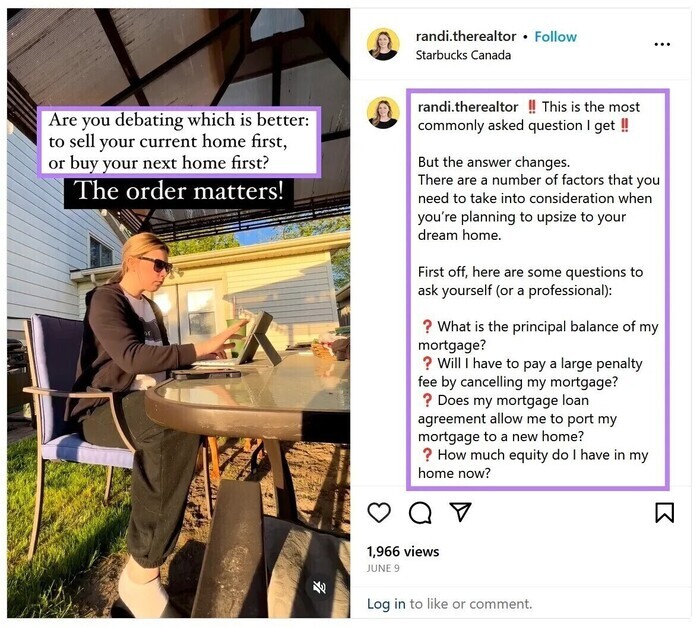
Educational content works because it provides immediate value without asking for anything in return. When you publish a post explaining "5 Things That Can Go Wrong During a Home Inspection" or "Understanding Closing Costs: A Simple Breakdown," you're solving a problem someone is actively researching.
The "evergreen" aspect is equally important. Unlike news about a specific listing or market trend, evergreen content remains relevant for months or years. This means you can create it once and repurpose it seasonally, getting maximum value from your content creation efforts.
3 easy-to-create educational content formats:
- Checklist graphics: Create visually appealing checklists that people can save and refer back to. Examples include:
- "First-Time Homebuyer Checklist”
- "Pre-Listing Home Preparation Checklist"
- "Questions to Ask Before Making an Offer."
These perform exceptionally well on Instagram, TikTok, YouTube, and Pinterest because they're immediately useful and highly shareable.
- Simple explainer videos: Short-form video (60-90 seconds) explaining one concept clearly. Think "What is earnest money?" or "The difference between pre-qualified and pre-approved."
These videos should be straightforward, jargon-free, and use simple graphics or talking-head footage. The key is to answer the question completely without overwhelming viewers. - Myth-busting posts: Real estate is full of misconceptions that prevent people from taking action. Create content that addresses these directly:
- "Myth: You need 20% down to buy a home"
- "Myth: Spring is the only good time to sell"
- "Myth: You should always offer asking price."
These posts spark engagement because they challenge commonly held beliefs and encourage people to tag friends who need to see the information.
2. Hyper‑local market authority updates
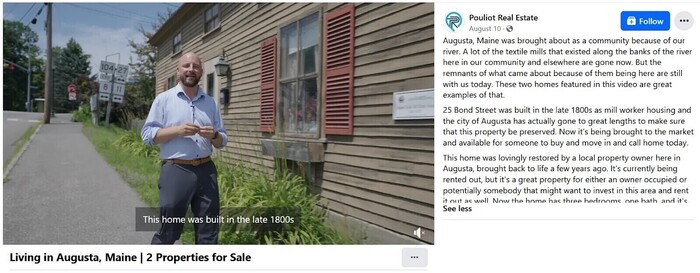
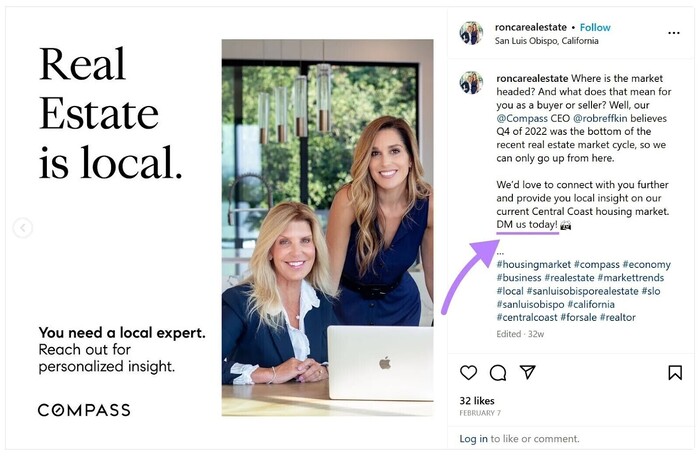
Generic real estate content is everywhere. What makes your agents irreplaceable is their deep knowledge of specific neighbourhoods, streets, and communities. This second pillar is all about demonstrating local expertise in ways that position your team as the go-to authority for your market area.
Hyper-local content serves multiple purposes. It attracts people who are specifically interested in your area (highly qualified leads). It demonstrates that your agents don't just work in the community — they know its rhythms, understand what the area is like, and can speak intelligently about what makes each neighbourhood unique.
All of this also helps with local SEO, as location-specific content ranks well for geo-specific search terms.
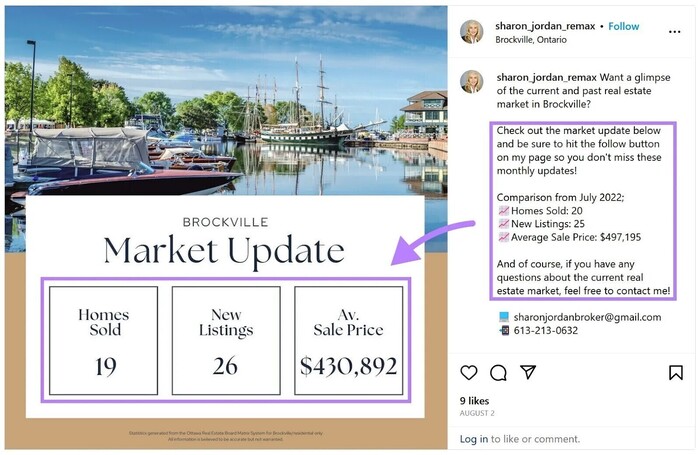
Example: "Market Report Monday" posts
Establish a weekly content series that becomes a reliable touchpoint with your audience.
For example, every Monday, share a bite-sized market update specific to one neighbourhood in your area. This doesn't need to be a comprehensive report—a simple carousel post or short video covering one or two key statistics is perfect.
Your Market Report Monday might include:
- Average home price compared to last month
- Days on market for recent sales
- Inventory levels (buyer's market vs. seller's market indicator)
- One interesting trend or observation specific to that neighbourhood
The consistency of this series is what builds authority. When people see that you show up every Monday with fresh, relevant data, you become their trusted source. Over time, you can rotate through different neighbourhoods, ensuring comprehensive coverage of your market area.
3. Authentic social proof and client stories
No marketing tactic builds trust faster than hearing from real people who have had positive experiences. This third pillar is arguably the most powerful in your entire content strategy because it provides third-party validation that your marketing messages alone cannot achieve.
Social proof works because it addresses the fundamental question every potential client is asking: "Will this agent deliver results for me?"
No matter how polished your branding is or how eloquent your captions are, nothing answers that question more convincingly than hearing from someone who has already walked the path your prospect is considering.
Focus on video testimonials and genuine, unscripted sharing:
The most effective testimonial content happens in the moment. When you close on a home, capture a quick 30-second video right there with the clients holding their keys. The excitement is real, the emotion is palpable, and viewers can feel the authenticity. These raw moments are far more compelling than polished videos filmed weeks later.
Consider creating a standardized process for every closing: offer to take a quick photo and video, and make it fun and celebratory rather than formal. Most clients are thrilled to participate because they're caught up in the excitement of the moment. You can ask simple prompts like:
- "What was your favourite part of working with our team?"
- "What advice would you give to someone thinking about buying their first home?"
Beyond closing day content, client story posts should tell the narrative journey. Don't just share that someone bought a home, share why it mattered to them.
For example: "After three years of renting and watching prices climb, the Martinez family was ready to give up on homeownership. Here's how we helped them find a path forward..." This storytelling approach makes the content engaging even for people who don't know the clients, because they can see themselves in the story.
This pillar should represent about 15-20% of your content calendar. The frequency might vary based on transaction volume, but even during slower periods, you can reshare past success stories with fresh context, like "One year ago, we helped the Chen family find their dream home in Riverside. Here's what they're up to now."
4. Personal branding and ‘day‑in‑the‑life; content; also known as POV content
Real estate is a relationship business, and people want to work with agents they like and feel connected to. This fourth pillar is about humanizing your brand and giving your audience a window into the personalities, values, and daily realities of your team.
Personal branding content works because it builds likability and relatability—two crucial components of trust. When potential clients feel like they already know your agents before the first meeting, the relationship starts from a warmer place. They're not hiring a stranger; they're hiring someone they've been following and feeling connected to for weeks or months.
Ideas for Instagram Stories and Reels:
Instagram Stories are perfect for spontaneous, behind-the-scenes content that doesn't need to be perfectly polished. Use Stories to share:
- Morning routine and office arrival
- Preparation for a listing photoshoot
- Driving to showings with commentary about the neighbourhoods
- Unexpected challenges that arose and how they were solved
- Evening wrap-up and reflection on the day
The temporary nature of Stories creates a sense of intimacy and immediacy. Viewers feel like they're getting the "real" version of your day, not the curated highlights. Use interactive features like polls ("Should we stage this living room with modern or traditional furniture?") and question stickers to invite participation.
For Reels, create repeatable formats that showcase personality while providing value:
- "A day in the life of a real estate agent" montages set to trending audio
- "Things no one tells you about being a real estate agent" series
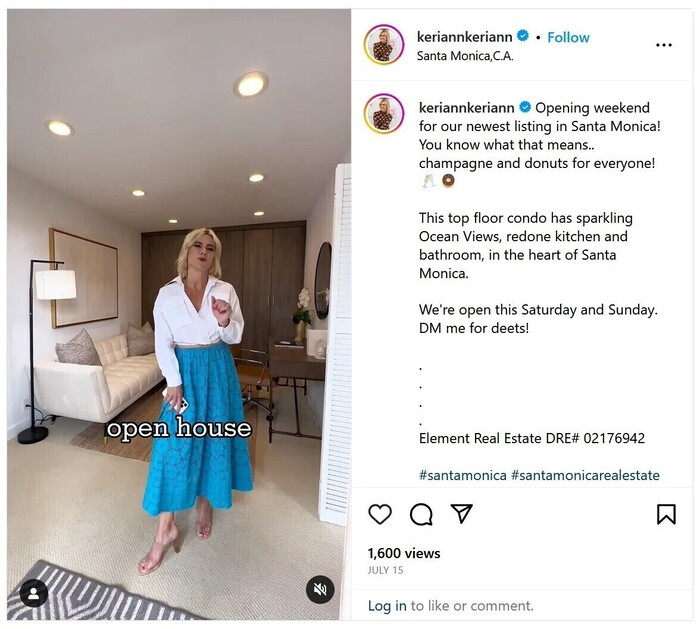
- "Come to an open house with me" walkthroughs
- "My reaction when..." relatable moments specific to real estate
Team culture content is equally important if you're managing accounts for a brokerage or team. Share team meetings, training sessions, celebrations of wins, volunteer activities, and casual moments that show camaraderie.
The key to this pillar is consistency without overwhelming. You don't need to share every moment of every day, but regular glimpses into your world keep you present in your audience's mind. This pillar should make up about 15-20% of your content calendar, with heavier emphasis on Stories and temporary content rather than permanent feed posts.
5. Direct engagement and community conversations
Social media is meant to be social, yet many real estate accounts treat it as a one-way broadcasting channel. This fifth pillar flips that dynamic by creating content specifically designed to start conversations, invite participation, and build community among your followers.
The mistake many social media managers make is viewing engagement as something that happens to content rather than something you design content to achieve. Hoping people will comment on your listing photo is passive. Asking people to vote between two kitchen backsplash options is active engagement design.
Hosting a weekly live Q&A:
Live video features (Instagram Live, Facebook Live, LinkedIn Live) are engagement goldmines because they create a real-time connection and allow you to address questions that might be preventing people from reaching out privately.
Be consistent: Establish a weekly time slot — maybe Tuesday afternoons or Thursday evenings — when an agent goes live to answer any real estate questions the audience has.
Promote the live session in advance: "Join us Tuesday at 4 PM for our weekly Real Estate Q&A. Drop your questions in the comments now, or bring them to the live session!" This gives people time to think of questions and builds anticipation.
Beyond live video, design posts around conversation starters:
- This or that polls: "Hardwood floors or carpet in bedrooms—what's your preference?" Simple, quick engagement that also provides insight into buyer preferences.
- Fill-in-the-blank posts: "The most stressful part of buying my home was _____." Invites people to share experiences and creates opportunities to offer help.
- Controversial opinions (gently presented): "Unpopular opinion: You don't need to deep clean your home before every showing. Here's why..." Takes a stance that invites discussion and disagreement.
- Caption-this posts: Share a funny or unusual photo from a listing and ask followers to provide captions. This type of lighthearted content humanizes your brand.
- Local opinion questions: "Best coffee shop in Downtown for a morning meeting—go!" or "If you could live on any street in [neighbourhood], which would you choose and why?" Sparks community conversation.

6. Transparent promotional content (80/20 rule)
Let's remember that as a real estate professional, you are ultimately trying to generate leads and close deals. Promotional content has a place in your strategy, but the way you execute it makes all the difference between coming across as a trusted advisor versus a pushy salesperson.
The 80/20 rule is a guiding principle for social media marketing across numerous sectors, and it's particularly relevant in real estate. The idea is simple: 80% of your content should provide value, education, entertainment, or connection without asking for anything in return. The remaining 20% can be more directly promotional—listings, seller consultations, buyer inquiries, and service highlights.
Promote exclusive guides or consultations, not just listings:
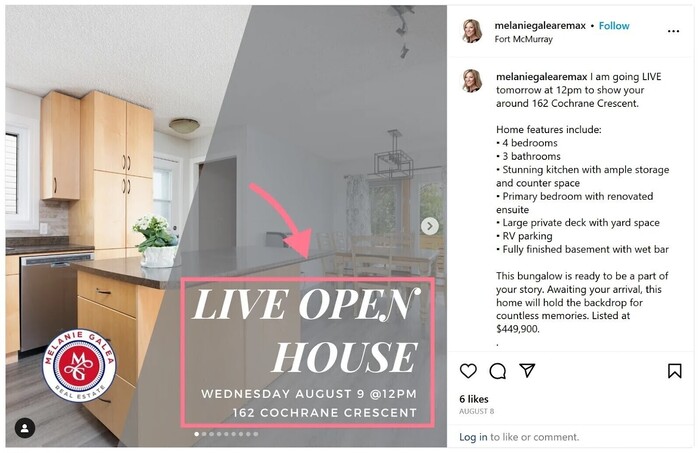
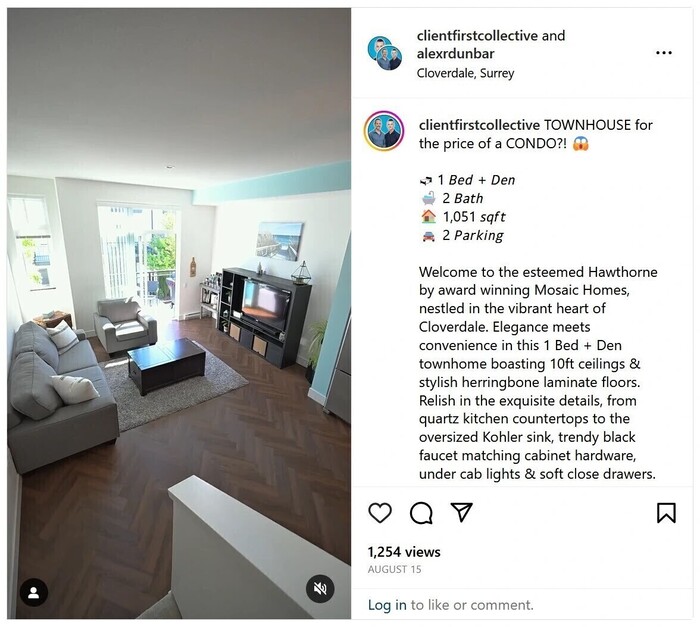
The least effective promotional content is what everyone else is already doing—posting photos of listings with price and bedroom count. This content is necessary (sellers expect to see their listings promoted), but it's not what differentiates you or builds trust.
Whenever possible, try to frame your promotional content around exclusive value. Rather than "New listing! 3 bed, 2 bath, $450K," try "We just listed this updated ranch in Eastwood—plus, we're offering a free home valuation guide for Eastwood homeowners considering selling. Link in bio." The promotional element (the listing) is still present, but it's packaged with additional value (the free guide) that benefits a broader audience.
Promote content that leads to valuable resources: free market reports, buyer/seller guides, home valuation tools, mortgage calculators, or consultation bookings. Each of these offers genuine utility while capturing lead information.
When you do post listings, add value even there. Share the story behind the home, highlight unique features that don't show in photos, explain what makes the location special, or provide context about the market conditions that make this a good opportunity. This transforms a basic listing post into something more engaging and informative.
7. Actionable checklists and downloadable guides
The seventh and final pillar focuses on high-value resources that serve two purposes: they deliver exceptional value to your audience while also serving as lead-generation tools. This content sits at the intersection of education and conversion — it's genuinely helpful and captures contact information for your marketing funnel.
From a marketing perspective, these resources allow you to build your email list with highly qualified leads. Someone who downloads "The First-Time Homebuyer's Complete Checklist" is clearly in the market or considering entering it. This gives you permission to nurture that relationship through email marketing, providing additional value over time until they're ready to take action.
5 Examples of high-value lead generation resources:
- First-time buyer checklist: A comprehensive guide walking through every step from getting pre-approved to closing day. Include timeline recommendations, financial preparation tips, questions to ask during showings, and post-purchase tasks. Make it visually appealing with checkboxes that people can actually use.
- Home staging guide for sellers: Room-by-room recommendations for preparing a home for sale, including what buyers look for, common mistakes to avoid, and budget-friendly improvements that offer the best ROI. Include before-and-after examples if possible.
- Neighbourhood comparison worksheet: A tool for buyers to evaluate different neighbourhoods against their priorities. Include categories like commute time, school ratings, amenities, home values, and personal notes sections. This positions you as an objective advisor helping them make the best decision for their needs.
- Home inspection checklist: What to look for during walkthrough inspections, questions to ask inspectors, and red flags that might indicate serious issues. This is valuable for buyers at any price point and demonstrates your commitment to protecting their interests.
- Moving day planner: A timeline and checklist covering everything from 8 weeks before moving to the first week in the new home. Include utility transfer reminders, address change lists, packing strategies, and settling-in tasks.
How to use these for email list building:
Create landing pages for each downloadable resource. These pages should clearly explain what the resource contains, who it's for, and what value it provides. Include testimonials or examples if available. The form should capture name and email at a minimum, with optional fields for additional qualification information (timeframe for buying/selling, price range, preferred neighbourhoods).
Promote these resources across all your social media channels with content variations:
- Instagram: Carousel posts showing preview pages from the guide with swipe-up or link in bio
- Facebook: Longer-form posts explaining the value and linking directly to the landing page
- Instagram Stories: Quick polls or questions that lead into "Download our guide for the complete answer."
- LinkedIn: Position the guides as professional resources for serious buyers/sellers
Once someone downloads a resource, they enter an automated email sequence that delivers the download, provides additional related value, and eventually introduces your services with a soft call-to-action. The sequence should focus heavily on continued education and helpfulness rather than immediate sales pressure.
The beauty of this pillar is that the content works for you automatically, 24/7, generating leads once it’s been created.
Now, let’s look at how to manage content across multiple channels without burning out from trying to juggle too much.
Managing content across multiple channels efficiently
Understanding the content pillars is one thing.
Executing consistently across multiple platforms, clients, or team members is another challenge entirely. For social media managers working with real estate agents, efficiency isn't just about saving time—it's about maintaining quality and consistency while scaling your efforts.
The reality is that most real estate professionals expect a presence on at least three or four platforms: Instagram, Facebook, LinkedIn, and increasingly TikTok or YouTube. Each platform has its own best practices, content formats, and audience expectations. Creating unique content for each platform quickly becomes unsustainable. The solution lies in strategic systems that maintain brand consistency while adapting content appropriately for each channel.
Standardise branding and messaging
Brand consistency is what makes your content recognizable across platforms and creates a cohesive experience for potential clients who might encounter you in multiple places. When your Instagram aesthetic, Facebook tone, and LinkedIn messaging all feel disconnected, it creates confusion about who you are and what you stand for.
Messaging consistency is equally important. Develop key messaging pillars that articulate:
- Your unique value proposition (what makes your agents different)
- Your brand voice and tone (professional yet approachable, educational, confident, friendly)
- Core values that should come through in content
- Phrases and language to avoid (overly salesy terms, industry jargon, exclusionary language)
Create content approval workflows if you're managing multiple agents or team members. Even informal review processes help catch inconsistencies before content goes live. This might be as simple as a Slack channel where proposed content gets a quick review from the lead agent or broker before scheduling.
Document your standards in a brand guidelines document that new team members can reference. This doesn't need to be too complex — a simple Google Doc covering visual standards, voice guidelines, hashtag strategy, and platform-specific notes will dramatically improve consistency.
Want to grow your real estate agent's social followers, buyers, sellers, renters, and landlords? Sign-up to Sendible: From scheduling to reporting—manage everything in one place, build engagement, and grow your real estate agency.
Repurpose content for every channel
The key to maintaining a presence across multiple platforms without burning out is strategic repurposing. This means creating one piece of core content and adapting it into multiple formats suited to different platforms, rather than starting from scratch every time.
A single blog post about home staging can become:
- An Instagram carousel breaking down the top 5 staging tips with before/after photos
- A Facebook post with the key insights and a link to the full article
- A LinkedIn article discussing the ROI of staging for sellers
- An Instagram Reel showing a 30-second time-lapse of a room transformation
- A Pinterest pin with an infographic checklist
- An email newsletter content for your subscriber list
- An Instagram Story series doing a room-by-room staging walkthrough
The core information is the same, but the packaging matches how users consume content on each platform. Instagram users want visual, bite-sized content. LinkedIn audiences prefer professional insights and longer-form analysis. Facebook sits somewhere in between with more casual, community-focused sharing.
Create a repurposing workflow template. When you produce a major piece of content (blog post, video, guide), immediately map out how it will be adapted across platforms. This ensures you extract maximum value from content creation efforts and maintain consistent messaging as the same topics appear in different formats.
Video content is particularly valuable for repurposing. A single 5-minute YouTube video can be turned into:
- Multiple short clips for Instagram Reels and TikTok
- Embedded in a blog post with transcription for SEO
- Shared as is on Facebook
- Posted on LinkedIn with professional framing
- Turned into audio-only content for a podcast or audio post
- Used as source material for quote graphics and carousel posts
The goal isn't to spam the same content everywhere simultaneously, but to strategically roll out variations over time that reach different audiences with platform-appropriate formatting.
Use a unified social media management platform
When you're managing multiple platforms, agents, or property listings, posting natively to each platform becomes prohibitively time-consuming. This is where social media management platforms become essential tools for efficiency and consistency.
A unified platform like Sendible allows you to:
- Schedule content across all platforms from a single dashboard
- Maintain a visual content calendar showing what's posting when and where
- Collaborate with team members with approval workflows
- Store and organize media assets in one location
- Respond to comments and messages from multiple platforms in one inbox
- Track analytics and create reports comparing performance across channels
The time savings are significant. Instead of logging into five different platforms to post, you create your content once, customize it for each platform, and schedule everything in batches. Many social media managers find that they can accomplish in two focused hours what previously took spread throughout an entire day.
This is where a platform like Sendible becomes particularly valuable for real estate social media teams. The investment in a management platform pays for itself quickly through time savings and improved performance from consistent posting and data-driven optimization.
How do you measure the success of real estate content marketing?
Creating consistent content is pointless if you're not measuring whether it's actually moving the needle for your business. But measuring social media success in real estate is more nuanced than in some other industries because the sales cycle is long, and attribution isn't always straightforward.
Focus on conversion rates, not vanity metrics
The metrics that matter for real estate social media are those that connect directly to business outcomes. Start tracking:
- Lead-to-client conversion rate: Of the leads generated through social media (email signups, contact form submissions, DM inquiries), what percentage eventually become clients? This is your most important metric because it measures the quality of your social media leads. If you're generating 100 leads per month but none convert, your content is attracting the wrong audience or setting incorrect expectations.
- Email list growth rate: Since email marketing remains one of the highest-ROI channels, growing a qualified email list through content offers is a key metric. Track not just total subscribers, but also the rate of growth month-over-month and which specific content offers (guides, checklists) are driving the most signups.
- Website traffic from social: Use UTM parameters and Google Analytics to track how much traffic each social platform is driving to your website, and more importantly, what those visitors do once they arrive. Are they browsing listings? Downloading resources? Filling out contact forms? High traffic with low engagement suggests a disconnect between your social content and your website experience.
- Cost per lead: If you're running paid social campaigns, calculate what you're spending to acquire each lead. Compare this to other lead sources (Zillow Premier Agent, direct mail, and online advertising) to understand the relative value of your social efforts.
- Content piece performance: Track which content pillars and specific post types generate the most meaningful engagement (saves, shares, and website clicks) rather than passive engagement (likes). All of this helps you understand what your audience finds most valuable and allows you to double down on what works.
- Consultation booking rate: How many people are booking appointments or consultations directly through your social media presence? This is a strong indicator that your content is successfully moving people through the awareness and consideration stages.
Track engagement and sentiment
Beyond conversion metrics, qualitative measures tell you whether you're building the trust and authority that leads to long-term success. These metrics are harder to quantify but equally important:
Social listening and sentiment analysis: What are people saying about your brand? Are comments positive and enthusiastic? Are people tagging friends and sharing your content? Are you being mentioned in local community groups and conversations?
Tools like Sendible include social listening features that alert you when your brand is mentioned, allowing you to join conversations and monitor your reputation.
Comment quality and depth: A post with 50 thoughtful comments asking questions is more valuable than a post with 200 one-word comments. Read through your engagement to understand what's resonating and what questions your audience has.
Share and save rates: Instagram saves and shares are particularly valuable metrics because they indicate content people want to reference later or share with their network. High save rates on educational content validate that you're providing real value.
Response rate and speed: When potential clients reach out via DM or comment, how quickly are you responding? And when you do respond, are you starting conversations that lead somewhere? Track these interactions as they're often the moment when social media followers become real prospects.
Brand search volume: Are more people searching for your agent or brokerage name directly? Use Google Search Console to track branded search trends over time. Increases suggest that your social media presence is driving top-of-mind awareness.
Regular measurement allows you to refine your strategy continuously. If educational content consistently outperforms promotional content, adjust your content mix. If Instagram drives more qualified leads than Facebook despite a lower follower count, reallocate resources accordingly. Data-driven decisions consistently outperform gut feelings in social media marketing.
Conclusion: Build trust with clients in 2026
Building trust in real estate doesn't happen with a single viral post or a perfectly crafted listing photo. It happens through consistent, strategic content that positions your agents as knowledgeable advisors, community experts, and authentic human beings worthy of handling the most significant financial decision of someone's life.
The seven content pillars outlined in this guide — educational resources, hyper-local authority, social proof, personal branding, direct engagement, transparent promotion, and valuable downloadables — provide a comprehensive framework for creating social media content that resonates with your audience and supports your business goals.
When you diversify your content across these pillars, you ensure that every post serves a purpose. You're not just filling a content calendar; you're strategically building relationships, demonstrating expertise, and staying top of mind with potential clients throughout their buying or selling journey.
Real Estate Marketing Content Pillars FAQ
What are the essential components of a successful real estate marketing strategy?
An effective real estate marketing strategy combines both online and offline channels to reach your target audience. Your real estate marketing plan should include a well-optimized real estate website, active social media platforms presence, and a Google Business Profile. Top real estate agents also incorporate traditional methods like direct mail, open house events, and participation in local events. The key is developing a balanced marketing mix that aligns with your marketing budget while tracking key performance indicators to measure success.
How can real estate companies improve their marketing campaigns?
Real estate marketers should focus on targeted advertising that speaks directly to home buyers and prospective clients. Invest in a professional photographer to showcase properties with virtual tours, optimize your presence on search engines through search engine optimization, and maintain relationships with past clients who can provide referrals. Your real estate marketing campaign should utilize primary marketing channels where your audience spends time, whether that's Instagram, Facebook, or local community networks.
What real estate marketing ideas work best for property sales?
Effective real estate marketing combines multiple approaches. Here are a few tips:
- Create compelling content for your real estate website
- Host memorable open house events
- Partner with local businesses for cross-promotion
- Develop consistent marketing campaigns across all platforms.
Consider mixing online marketing tactics like social media advertising and offline methods such as sponsoring local events. The most successful real estate business owners understand their target audience, local area, and tailor their marketing efforts accordingly.
How should I allocate my marketing budget across different channels?
Your marketing budget should reflect where your prospective clients are most active.
Most real estate companies now prioritize online and offline channels equally. Invest significantly in your Google Business Profile (GBP) and search engine optimization (SEO), as search engines drive substantial traffic.
Allocate funds for social media platforms, a professional photographer for listings, and virtual tours. Don't neglect traditional real estate marketing ideas like direct mail to past clients and targeted advertising in local publications.
What defines effective real estate marketing in today's market?
Effective real estate marketing requires a comprehensive real estate marketing plan that addresses multiple marketing channels simultaneously.
This means maintaining an excellent real estate website, engaging consistently on social media platforms, tracking key performance indicators, and executing other marketing efforts that keep you visible to both home buyers and sellers in your community.
Try Sendible free with 14-day free trial.
Leverage Sendible’s extensive integrations to create, schedule, publish, and engage with your posts seamlessly.

Text copied!