

Digital marketing for gyms is changing in 2026, and gyms need to get onboard with more authentic, member-focused and generated content across social media channels.
While gyms once relied on intimidating before-and-after photos and aggressive sales tactics, today's members demand something deeper: authentic connection, sustainable wellness, and communities that understand their journey.
For gym owners and social media managers navigating this new landscape, digital marketing has evolved from a nice-to-have into the primary battleground for member acquisition and retention.
Digital marketing for gyms: Quick overview:
- Digital marketing for gyms is shifting toward authentic, member-focused content and away from intimidating transformation photos in 2026.
- Successful fitness marketing combines organic social media, paid advertising, and educational content across multiple platforms.
- User-generated content (UGC) and real member stories outperform polished, studio-produced ads for building trust and conversions.
- Local SEO optimisation through Google Business Profile (GBP) is critical for capturing high-intent "gym near me" and related searches.
- Multi-location gyms need centralised social media management tools to maintain brand consistency while enabling local customisation.
- AI tools help fitness teams generate location-specific content, analyse sentiment, and brainstorm engaging captions at scale.
- Focus on meaningful metrics like Cost Per Acquisition (CPA) and Member Lifetime Value (LTV) rather than vanity metrics like likes and followers.
Fitness centre social media content calendar.
Why is digital marketing for gyms changing in 2026?
The fitness marketing playbook is being completely rewritten. For years, gyms bombarded potential members with heavily filtered transformation photos, celebrity endorsements, and aspirational imagery that felt increasingly disconnected from real people's lives. That era is ending for gyms.
In 2026, we're witnessing a fundamental shift toward community and longevity-focused marketing. This evolution reflects broader cultural movements, particularly among younger demographics who prioritise mental health alongside physical fitness.
The concept of "JOMO" (Joy of Missing Out) has become a surprising marketing pillar. Gyms are now celebrating rest days, recovery protocols, and the wisdom of listening to your body rather than pushing through pain.
This isn't just aesthetic preference; it's a strategic response to member burnout and the growing understanding that sustainable fitness requires a holistic approach. Recovery-focused content — from foam rolling tutorials to sleep optimisation tips — now sits alongside traditional workout videos. Gyms that embrace this shift position themselves as wellness partners rather than mere workout spaces, creating deeper emotional connections with their audience.
The change also reflects how people discover and evaluate gyms. Social media has always been a key part of that in the last few decades. But now, people are searching via social instead of searching on Google first. AI tools are also playing a key role in the discovery process. You need to keep all of that in mind when planning, creating, and publishing content via social media management software.
Effective digital marketing for gyms requires a multi-layered approach that extends far beyond posting workout videos on Instagram. The most successful fitness businesses combine organic social media marketing with strategic paid advertising campaigns across Google Ads and paid ads on platforms like Facebook and Instagram.
Fitness-focused social media agencies understand that different marketing strategies resonate with different segments. Gen Z responds to short-form video marketing on TikTok, while older demographics convert better through Instagram content and targeted Google or Facebook Ads highlighting your fitness studio's unique offerings.
The key is creating an integrated ecosystem where each marketing tool serves a specific purpose:
- Organic, influencer, and UGC content published via social media scheduling on social media platforms build brand loyalty and generate word of mouth marketing
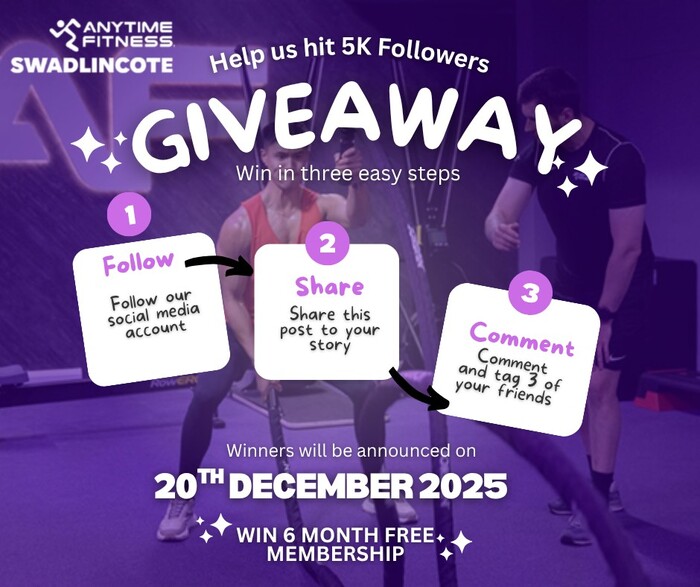
- Paid ads drive new customers during promotional periods
- Educational content positions gym owners as trusted guides throughout each member's fitness journey.
Success stories from fitness clubs that have embraced this holistic approach consistently show increased website traffic, higher conversion rates, and stronger member retention.
How can social media teams manage multiple channels without burning out?
Behind every successful gym's social media presence lies a truth rarely discussed: the operational nightmare of managing multiple platforms, approval workflows, locations, and accounts. For fitness franchises and multi-location gym groups, social media management can get overly complex without the right tools.
Consider a regional fitness franchise with 50 locations. Every location needs its own Facebook page, Instagram account, and Google Business Profile (GBP) as a minimum. You might also want to use Threads and TikTok, too.
Each gym requires location-specific content — promoting local instructors, highlighting community events, and engaging with the local community (current and potential customers).
That’s why you need the right tools. Every gym can handle its own social media, or have an agency handle everything for them, while allowing for head office oversight. Sendible's centralised dashboard allows teams to manage dozens of locations from a single interface. More importantly, its approval workflow system ensures that franchise owners maintain brand consistency while empowering local managers to share authentic, community-specific content.
A corporate marketing or social media team can draft foundational content — like new class announcements or promotional campaigns — while location managers customise posts with local instructor spotlights or member shout-outs.
What social media content actually drives gym memberships?
Lean into user-generated content (UGC) and member "wins"
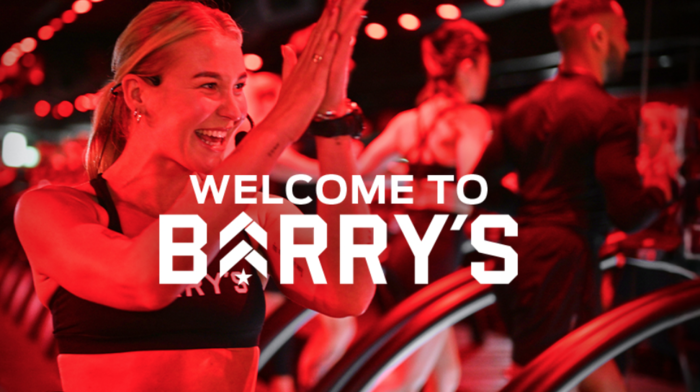
The polished, studio-produced gym ad is dying — and that’s probably for the best. Consumers possess more sophisticated BS detectors, honed by years of exposure to overly produced content. They crave authenticity, imperfection, and real stories from people who look like them. People who, like them, want to get fitter but also like cake.
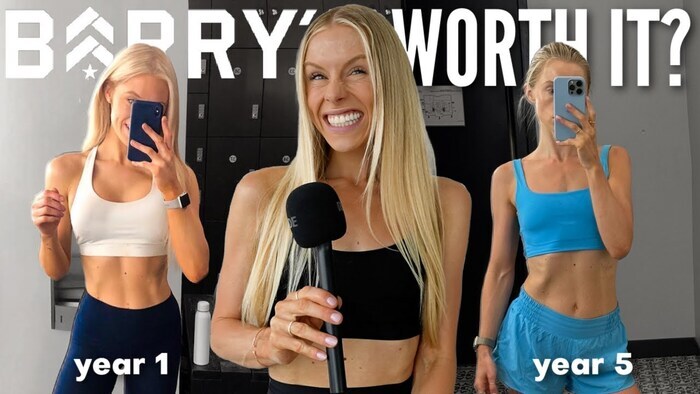
This is where user-generated content (UGC) is revolutionising gym marketing. The sweaty post-workout selfie, the shaky video of someone completing their first pull-up, the emotional testimonial filmed on a smartphone; these moments resonate infinitely more than professional photoshoots with models who've never touched your equipment.

A Comprehensive Guide to Multi-Location Fitness and Wellness Social Media Management
Transformation stories remain powerful, but the format is evolving. Rather than dramatic before-and-after comparisons that imply rapid change, successful gyms now document journeys. They share monthly progress updates, celebrate victories that don’t involve scales ("I carried all my groceries in one trip!"), and highlight the emotional transformations alongside physical ones.
Gymshark, despite being a major brand, understands this principle. Gymshark’s highest-performing Instagram Reels often feature community athletes—not professional models—demonstrating exercises in real gym environments. The production quality isn’t as important as the authenticity and relatability of the content being shared.
Encourage members to tag your gym in their posts, create branded hashtags for challenges, and most importantly, reshare this content consistently. When prospective members see real people achieving real results in your space, the psychological barrier to joining drops dramatically.

Educational "snackable" video for Gen Z and Alpha
Gen Z and the emerging Generation Alpha consume content very differently to older generations. They scroll rapidly, make instant judgments, and crave immediate value. For gyms targeting these demographics, educational micro-content is essential.
A 60-second "Fix your squat" video outperforms the 15-minute detailed breakdown every time. These snackable videos — demonstrating proper form, debunking fitness myths, or offering quick mobility drills — provide immediate, actionable value. This format will position your gym as a knowledgeable resource rather than just a place to sweat.
TikTok and Instagram Reels dominate this space, but the content strategy matters more than the platform. Focus on solving specific problems:
- "Why your shoulders hurt during push-ups"
- "The stretching mistake everyone makes"
- "How to know if you're using the right weight."
Targeted tips drive engagement, establish expertise, and create natural opportunities for calls-to-action ("Want personalised form coaching? Book a free session").
The key is consistency over perfection. A steady stream of helpful, authentic videos builds trust more effectively than occasional highly produced content. Your trainers are already correcting form and answering questions daily — simply capture these moments and share them.
How do you use local SEO to get more "near me" sign-ups?
When someone searches for "gym near me" or "best CrossFit box in [city]," appearing in those results is worth more than any paid advertising campaign. Local SEO—optimising your online presence for location-based searches—directly impacts your most valuable traffic: people actively looking for a gym in your area.
Your Google Business Profile (GBP) is the foundation. This free tool controls how your gym appears in Google Maps and local search results, yet many gyms treat it as an afterthought. GBP Optimisation requires completeness and consistency:
- Accurate hours
- Recent photos
- Regular posts
- prompt responses to reviews.
The power of GBP extends beyond basic information. Use the Q&A feature to answer common questions before prospects ask them. Upload photos of your facility, equipment, and classes weekly. Profiles with fresh visual content rank higher. Post regular updates about class schedules, promotions, or events directly to your GBP.
For answer engine optimization (AEO) — the practice of optimising for AI-driven answers from tools like ChatGPT or Google's AI Overview — structure your website content around specific questions.
Create detailed FAQ pages that directly answer queries like:
- "Which gym near me has the best yoga classes?"
- "What's included in a gym membership at [your gym]?"
Implement schema markup on your website to help search engines understand your services, class schedules, and locations. This structured data increases the likelihood that your gym appears in featured snippets and AI-generated answers.
AI is the new battleground for visibility.
What are the best strategies for gym member retention on social media?
Building "digital-only" communities
The most valuable member engagement often happens outside your physical location. While your gym floor creates community during classes, digital spaces extend these connections into members' daily lives, creating touchpoints that reinforce belonging.
Private Facebook Groups or Instagram Broadcast channels offer powerful retention tools. These digital-only communities allow members to share victories, ask questions, swap recipes, and support each other between visits.
A private Facebook Group for members creates a safe space for vulnerable conversations. Members can talk about struggles with consistency, celebrate personal records, or organise member-led running groups. The key is active moderation and participation from your team, ensuring these spaces feel supported and aligned with your gym's culture.
Instagram Broadcast channels work differently but equally effectively. These one-way communication channels allow you to share motivational content, workout tips, or facility updates directly to members' message inboxes. The intimate nature of this channel — appearing alongside messages from friends and family — creates a sense of VIP access.
Automated milestone celebrations
Everyone craves recognition, yet manually celebrating every member achievement becomes impossible at scale. Automated milestone celebrations solve this challenge while maintaining the personal touch that builds loyalty.
Track member check-ins and automate celebrations for meaningful milestones: the 10th class, 50th workout, 6-month anniversary, or 100th visit. These automated messages, whether through email, app notifications, or social media shout-outs, acknowledge effort and reinforce positive behaviour.
Consider creating a social media series showcasing "Member Milestone Monday" where you highlight someone who recently hit a major achievement. This public recognition motivates the featured member while inspiring others. Automation ensures consistency, and personalisation maintains authenticity.
Can AI help social media managers in the fitness industry?
AI is rapidly transforming how fitness brands approach social media management, but not in the dystopian "robots replacing humans" way often feared. Instead, AI serves as a powerful assistant, handling tedious tasks and providing insights that elevate human creativity.
Sentiment analysis represents one of AI's most valuable applications. Rather than manually reading hundreds of comments and reviews, AI tools can analyse the emotional tone and identify patterns:
- Are members consistently frustrated about class availability?
- Are they enthusiastically praising a specific instructor?
This intelligence allows you to respond proactively to trends before they become problems.
AI also excels at generating localised content at scale. But, please be careful not to lean on AI content generation too much. A little can be helpful, but too much can turn customers off a brand.
A fitness franchise with 30 locations needs location-specific social media content, but creating 30 unique captions daily is unrealistic. AI tools, like Sendible’s AI Assist, can generate location-customised variations from a single template, maintaining brand voice while incorporating local details, instructor names, or community events.
Sendible's AI features specifically help fitness teams brainstorm engaging hooks and captions. Rather than staring at a blank screen trying to make "leg day" sound exciting for the fiftieth time, AI suggests fresh angles, trending formats, and engagement-optimising structures.
Social media managers and creatives still guide strategy and add authentic personality; AI simply removes the friction of the creative process.
The key is using AI as an augmentation, not a replacement for human-generated content. AI simply allows you to operate more efficiently and strategically.
Measuring ROI: Which metrics matter for fitness marketing?
Vanity metrics — likes, followers, impressions — feel good but don’t always translate into business growth. For gym owners and marketing teams, meaningful measurement focuses on metrics tied directly to revenue and member retention.
Cost Per Acquisition (CPA) tells you exactly how much you're spending to gain each new member. Track this across different marketing channels to identify which investments deliver actual results. If your Instagram ads generate conversions at $50 each while your Facebook ads cost $150 per acquisition, the strategic allocation becomes obvious.
Member Lifetime Value (LTV) represents the total revenue a member generates throughout their relationship with your gym. This metric transforms how you evaluate marketing ROI. Spending $200 to acquire a member who stays for three years and generates $3,600 in revenue is brilliant business.
The same $200 to acquire a member who cancels after two months is a waste, so be wary of churn in the first quarter of every new year. Track conversion rates at every touchpoint in the marketing and sales funnel:
- Social media engagement to website visit
- Website visit to free trial signup
- Trial signup to paid membership.
Identifying where prospects drop off reveals new optimisation opportunities.
Analytics tools like Sendible's reporting features allow you to consolidate these metrics across platforms, locations, and campaigns. Rather than manually compiling spreadsheets from five different social networks, you can view comprehensive performance data in unified dashboards, making strategic decisions faster and more confidently.
Conclusion: Future-proof your gym's digital presence
Digital marketing for gyms will continue evolving, but certain principles are going to dominate into 2026 and beyond:
- Authenticity outperforms polish
- community beats aesthetics
- Sustainable wellness resonates more than extreme transformation.
Gyms and fitness brands thriving in 2026 and beyond are those that view digital marketing not as a promotional channel but as an extension of the supportive, community-focused experience they create on their gym floor.
By embracing user-generated content, optimising for local search, leveraging AI tools wisely, and measuring what truly matters, you're positioning your gym as an indispensable part of members' wellness journeys.
The future belongs to gyms that meet members where they already spend time: online, on their phones, seeking connection and guidance from sources they trust.
Try Sendible free with 14-day free trial.
Leverage Sendible’s extensive integrations to create, schedule, publish, and engage with your posts seamlessly.

Text copied!