

Generic wellness advice, like eating and using supplements, no longer makes an impact online in 2026.
Health and wellness content marketing needs to stand out amongst a more competitive market than ever.
Social media teams are juggling a lot: managing high-stakes demands, creating customised multi-location content, and staying compliant across multiple platforms and countries.
In this article, we look at 8 strategies that social media agencies and marketing teams can use to scale health and wellness content marketing in 2026.

Health and wellness content marketing quick Overview:
- Health and wellness content marketing has shifted from product promotion to trust-led education, with 84% of consumers prioritising wellness as a top life priority.
- E-E-A-T (Experience, Expertise, Authoritativeness, Trustworthiness) is now the benchmark for credible wellness content across all digital platforms.
- Social platforms like TikTok and Instagram have become primary discovery engines, replacing Google for health information searches among younger audiences.
- User-generated content (UGC) builds trust more effectively than polished promotional assets by showing authentic customer journeys.
- Multi-location wellness brands need unified content calendars and streamlined approval workflows to maintain consistency while ensuring medical compliance.
What is health and wellness content marketing in 2026?
Health and wellness content marketing has shifted from product promotion towards trust-led education. Health and wellness consumers no longer want to be sold to; they want to be supported.
Brands need to act as reliable guides through an overwhelming landscape of conflicting information. Understanding consumer behaviour is now essential for tailoring digital marketing strategies for gyms, healthy foods, products, holistic wellness, and fitness brands, as it helps identify what motivates audiences and how they prefer to engage with content.
This evolution is driven by the growing importance of wellness in everyday life. A recent McKinsey wellness report found, 84% of consumers now consider wellness a top life priority, up from previous years. Yet this has brought increased scrutiny.
Modern audiences actively question health claims, cross-reference sources, and dismiss content that feels superficial or too clearly AI-generated, and not authentic or helpful. People are more adept than ever at identifying marketing disguised as education.
With that in mind, let’s look at 8 trends that are shaping health and wellness content and social media marketing in 2026.
#1 Lean into E-E-A-T: Experience, Expertise, Authoritativeness, and Trustworthiness marketing
At the centre of this shift is E-E-A-T: Experience, Expertise, Authoritativeness, and Trustworthiness. While originally introduced as a Google quality framework for evaluating search results, E-E-A-T has become the benchmark for credible wellness content across all digital platforms. Social media algorithms increasingly favour content that demonstrates these qualities, and audiences reward it with higher engagement and loyalty. The framework provides a useful lens for evaluating whether content will build trust or erode it.
High-performing wellness content demonstrates:
- Experience, through first-hand insights from practitioners, clients, or users who have direct knowledge of the subject matter.
- Expertise, via recognised qualifications and specialist knowledge that goes beyond surface-level understanding. E.g., a nutritionist with a degree, an accredited course, a popular YouTube channel, and one or more books to back them up.
- Authoritativeness is shown through professional recognition, industry credentials, and reputable citations from trusted sources.
- Trustworthiness, achieved through transparency, accuracy, ethical communication, and willingness to acknowledge limitations.
Not every piece of content needs to educate. Some need to be funny, engage your audience in different ways. But content designed to be helpful and educational needs to clearly signal credibility at every touchpoint. For example, you could:
- Involve peer-reviewed studies within social captions.
- Feature licensed practitioners in short-form video (on Instagram or TikTok).
- Disclose partnerships and limitations within long-form content.
The goal is to build a strong digital presence is foundational for brand recognition and member retention in the fitness industry, as it establishes trust and authority with both prospective and current customers or members.
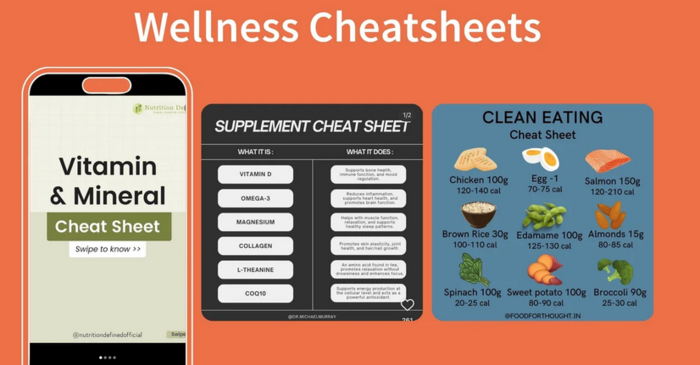
For example, a supplement brand publishing information about vitamin D should reference current research, include commentary from registered dietitians or clinicians, and acknowledge that needs vary by individual, based on factors such as location, skin tone, and lifestyle.
A fitness studio promoting a new programme should feature qualified instructors with visible credentials and real member feedback rather than idealised imagery that creates unrealistic expectations. These details, though small, collectively demonstrate responsibility and care that audiences recognise and value.
How can I grow my wellness brand in a competitive industry?
Sustainable growth in 2026 depends on understanding how audiences discover and evaluate information. Tactics that once dominated, such as blog-first SEO strategies or broad paid social campaigns, are no longer sufficient in isolation. They still work, but you need to consider the way people are now searching, like through TikTok and AI tools.
The most effective growth strategies now combine multiple channels and content formats, meeting audiences wherever they naturally spend time.
2. Focus on “Search on Social”: The new discovery phase
One of the most significant changes in wellness marketing is the rise of social platforms as discovery engines. Younger audiences increasingly use TikTok and Instagram to search for health information, preferring short videos and personal explanations over Google. This behaviour represents a fundamental shift in how knowledge is accessed and consumed.
Rather than typing “yoga stretches for lower back pain” into Google, users now search directly within social apps and watch demonstrations from creators they perceive as knowledgeable and relatable. Creating opportunities for brands that understand how to optimise for social search while maintaining professional credibility.
For brands, this means optimising content for both social and traditional search. Social platforms index captions, hashtags, and spoken words within videos. Visual posts that include clear, natural-language descriptions of what they address are more likely to appear in discovery results. Think of each caption as both a description for current followers and a search result for potential new audiences.
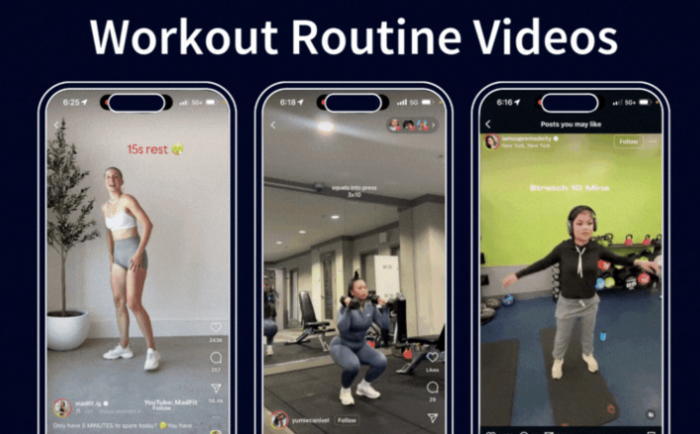
A practical approach is to use specific, descriptive phrasing within captions. Instead of writing “Great session today”, use “Five-minute mobility routine for desk workers with hip stiffness”. Not only improving discoverability but also setting clear expectations for viewers, reducing bounce rates and improving engagement metrics that platforms reward with increased distribution.
3. Leverage User-Generated Content (UGC) as social proof
In wellness marketing, social proof is powerful.
User-generated content (UGC), created by customers rather than brands, builds trust far more effectively than polished promotional assets. Audiences understand that professional content is designed to persuade; UGC feels like honest testimony from people like them.
Encouraging user-generated content serves as authentic social proof for gyms and fitness brands, supporting community building and higher engagement rates.
The most successful UGC focuses on everyday progress rather than dramatic transformations:
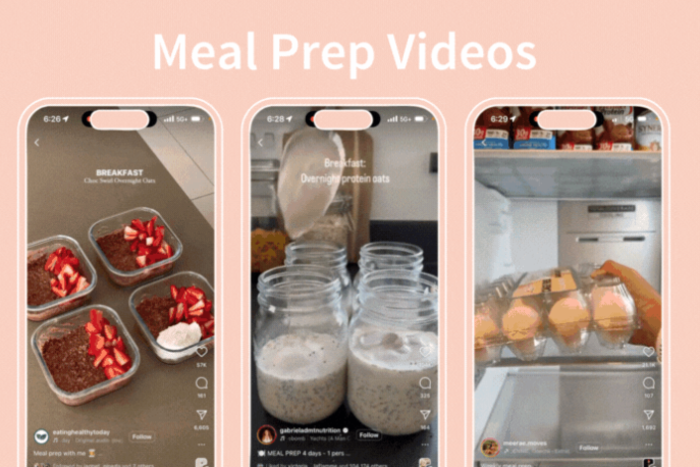
- Morning routines
- Progress check-ins
- Meal preparation
- And reflections on consistency resonate because they feel achievable and authentic.
All of these show the reality of wellness journeys: incremental improvement, occasional setbacks, and sustained effort rather than overnight success.
Many brands encourage this content through branded hashtags. A yoga studio might invite members to share their home practices using a dedicated tag, while a nutrition brand might ask customers to post meals using a branded phrase.
Over time, these collections become searchable proof libraries that potential customers explore before committing. UGC content offers reassurance that the brand delivers genuine results for people like them.
UGC not only supplies authentic content but also reinforces the community by recognising customer effort and consistency. When brands reshare customer content, they validate the individual whilst simultaneously demonstrating their impact to broader audiences.
How do teams manage social media across multiple wellness channels?
As wellness brands grow, managing social media content across locations, services, and platforms becomes increasingly complex. Teams must maintain consistent messaging while adapting tone, format, and emphasis for different audiences.
A message that worked well on Facebook may not be as effective on TikTok, even when communicating the same core information.
The challenge lies in balancing consistency with flexibility.
Publishing identical content everywhere limits effectiveness, while creating everything from scratch quickly exhausts teams and leads to inconsistent quality. The solution requires systematic planning combined with clear guidelines that enable adaptation.
4. Creating a unified content calendar for multiple locations
A content pillar strategy offers a practical solution. Content pillars are recurring themes that reflect the brand’s priorities and expertise. Common pillars for wellness brands include education, community, promotion, and engagement. Having pillars provides structure without restricting creativity.
A unified calendar organises these pillars across platforms and timeframes. For example, one day each week might focus on education, while another highlights community stories. The core theme remains consistent, but execution varies depending on channel and audience.
Educational content might appear as a detailed blog post, an Instagram carousel, a TikTok explainer, and a Facebook post, each adapted to platform conventions and audience expectations.
This structure allows social media agency teams to create reusable templates and guidelines while enabling local teams to personalise content appropriately. The result is consistency without rigidity, maintaining brand identity whilst respecting the nuances of different channels and communities.
Community building is especially important for fitness brands and gyms, as it fosters engagement and loyalty among both current and prospective clients. Hosting online challenges can build community and motivate customers.
5. Streamlining approval workflows for medical compliance
Compliance remains one of the most complex aspects of wellness marketing. Inaccurate or misleading health claims can result in reputational damage, regulatory scrutiny, or consumer harm.
The stakes are particularly high in sectors like supplements, medical devices, or therapeutic services where regulations are strict, and enforcement is active. Effective brands implement structured approval processes that involve qualified reviewers, such as clinicians, dietitians, or legal advisors.
However, traditional approval methods often slow production and increase risk by relying on email chains or shared documents where changes can be missed, or version control fails.
Centralised approval workflows streamline this process. Content is created, reviewed, amended, and approved within a single system that maintains a complete audit trail. Posts go live only after all required reviewers sign off, eliminating the risk of failing compliance.
This approach also allows different approval levels depending on content type.
A timetable update may require minimal oversight, whereas educational materials on supplements or injuries may require medical and legal review. Tiered systems balance safety with efficiency, ensuring resources focus where risk is highest.
What are the best social media post ideas for wellness brands?
Consistency becomes easier when brands rely on repeatable, high-performing formats rather than constant reinvention. The following formats have proven effective across wellness sectors and can be adapted to most brands with minimal modification.
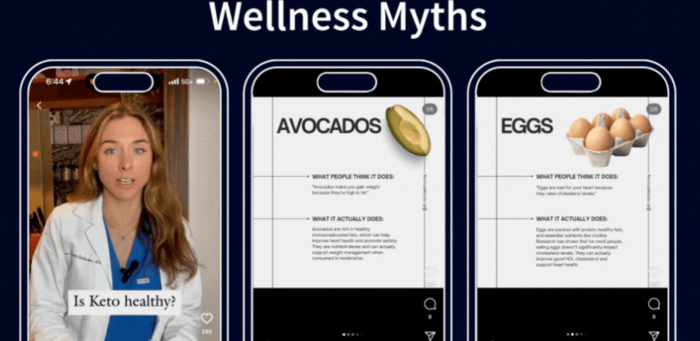
6. Educational "Myth-Busting" Reels
The wellness sector is crowded with misinformation, making myth-busting content highly effective. Short videos that address common misconceptions perform well because they address audience confusion and provide immediate value by correcting misunderstandings.
A clear structure works best:
- State the myth
- Explain why it is misleading
- Offer evidence-based clarification.
Topics can include fat loss misconceptions, detox myths, or hydration extremes. The format is inherently engaging because it challenges existing beliefs whilst providing credible alternatives.
These posts position brands as educators rather than promoters, attracting users actively seeking reliable guidance. They also perform well in social search, as people frequently search for verification of claims they have encountered elsewhere.
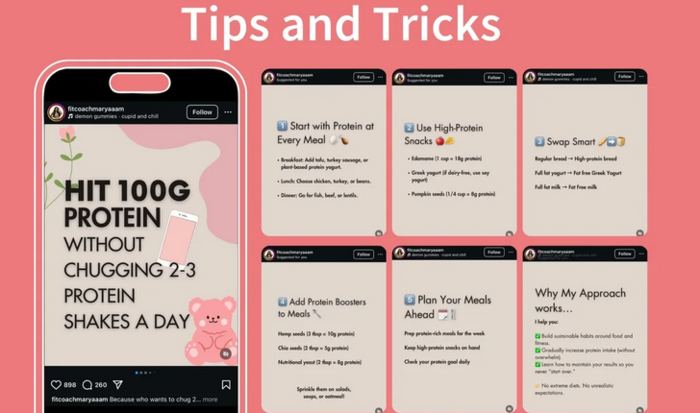
7. "Behind-the-Scenes" (BTS) with practitioners (Humanising your brand)
Trust grows when audiences see the people behind the brand. Behind-the-scenes (BTS) and Point of View (POV) content featuring trainers, therapists, or clinicians humanises services and reinforces expertise. It transforms abstract credentials into relatable personalities.
Showing preparation, professional discussion, or personal routines builds familiarity and reduces perceived barriers. Potential customers who might feel intimidated by clinical environments or fitness spaces become comfortable when they recognise faces and understand the culture.
A recurring team feature series works particularly well, combining personality with professional credibility whilst giving each team member visibility.
8. Interactive polls and wellness quizzes
Interactive formats encourage participation while generating insight. Polls, question boxes, and quizzes invite low-effort engagement and help brands understand audience needs, preferences, and knowledge gaps.
Quizzes offering personalised outcomes, such as training preferences or nutrition styles, provide value while supporting lead generation when paired with email capture. They transform passive content consumption into active participation, increasing investment in the brand relationship.
How to measure the ROI of your wellness marketing strategy
Visibility alone doesn’t equal success on social media. Likes and follower counts provide limited insight into commercial impact. While these vanity metrics can indicate reach, they reveal little about whether content drives the behaviours that matter to business outcomes.
Meaningful metrics include bookings, enquiries, email sign-ups, purchases, retention rates, and qualitative engagement such as direct messages or comment sentiment. These indicators connect content activity to revenue generation and customer lifetime value.
To accurately understand performance, brands must track the journey from content interaction to conversion. This involves using tracking links, monitoring click-through rates, attributing email sign-ups to specific content pieces, and analysing customer lifetime value (CLTV) by acquisition source.
Attribution becomes challenging across multiple touchpoints, but even imperfect tracking provides valuable insight into which content types and channels drive results.
Using analytics and marketing tools to monitor engagement and conversion rates, and to refine marketing strategies, is essential for gyms and fitness brands to optimise their digital marketing and achieve measurable growth.
This is even more important when we remember that gym and fitness brands depend on people joining in-person, which is why local SEO is an integral part of this across social and search channels.
Robust reporting allows teams to demonstrate tangible outcomes, replacing vague engagement metrics with revenue-linked results. This evidence supports budget requests, justifies resource allocation, and identifies opportunities for optimisation.
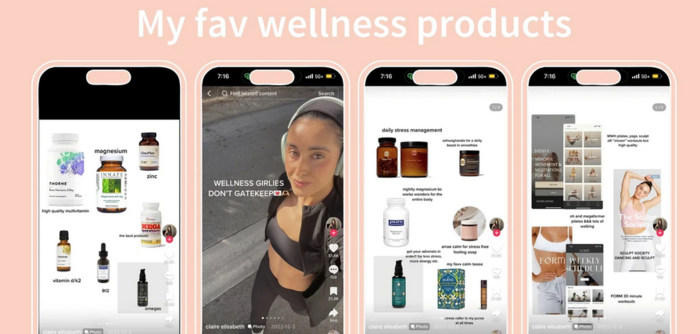
Conclusion: Scaling wellness without the burnout
The evolution of wellness marketing rewards brands willing to invest in trust, consistency, and structure. The challenge is maintaining quality whilst increasing output, a balance that proves difficult without using the right tools, like Sendible.
Audiences trust brands that show up regularly with accurate, thoughtful content. Yet maintaining this presence without the right systems leads to burnout. Social media teams that are stretched thin produce inconsistent work, miss opportunities, and eventually stop producing the type of content that the audience wants.
The only solution is not to demand more from teams, but to provide better tools and processes that sustain excellence. Scalable wellness marketing depends on the right structure:
- Unified planning
- Streamlined approvals
- Templates
- Guidelines
- Workflows
- Clear performance measurement allows teams to work efficiently without compromising quality.
Investment in these systems pays dividends over time, as efficiency compounds and quality remains high even as volume increases.
Wellness brands that succeed long-term are not those producing the most content, but those producing the most consistent and credible content over time. Fitness brands that build sustainable systems that support team wellbeing whilst meeting audience expectations, creating a foundation for growth that can be maintained consistently and over many years.
Quality, consistency, and credibility become competitive advantages that cannot be easily replicated by competitors simply by increasing their budgets or posting more frequently.
Try Sendible free with 14-day free trial.
Leverage Sendible’s extensive integrations to create, schedule, publish, and engage with your posts seamlessly.

Text copied!