

DM stands for "direct message" — a private, one-on-one conversation between two users on a social platform, separate from public comments or replies.
What started as a simple way to chat has become one of the most powerful tools for engagement, customer service, and building meaningful brand connections.
In this article, we’ll break down what DMs are, how they work on different platforms, and how you can use them to your advantage.
Let’s dive in.
What is a DM (direct message)?
In case you got this far and you’re still wondering, “What does DM mean?”, here’s the deal.
A DM, or direct message, is a private conversation between users on a social media platform.
DMs are private unlike comments or replies that appear to the public. They’re normally used for one-on-one conversations, support, or outreach.
As a messaging function, a DM is essentially the same across platforms, but the terminology can differ:
- Instagram, X (Twitter), and Facebook use “DM” or “Messages”.
- LinkedIn calls them “Messages”
- TikTok and YouTube offer limited messaging, often labelled as “Chat” or in-app notifications.
Despite the wording differences, the purpose is the same: to communicate directly and privately with another user.
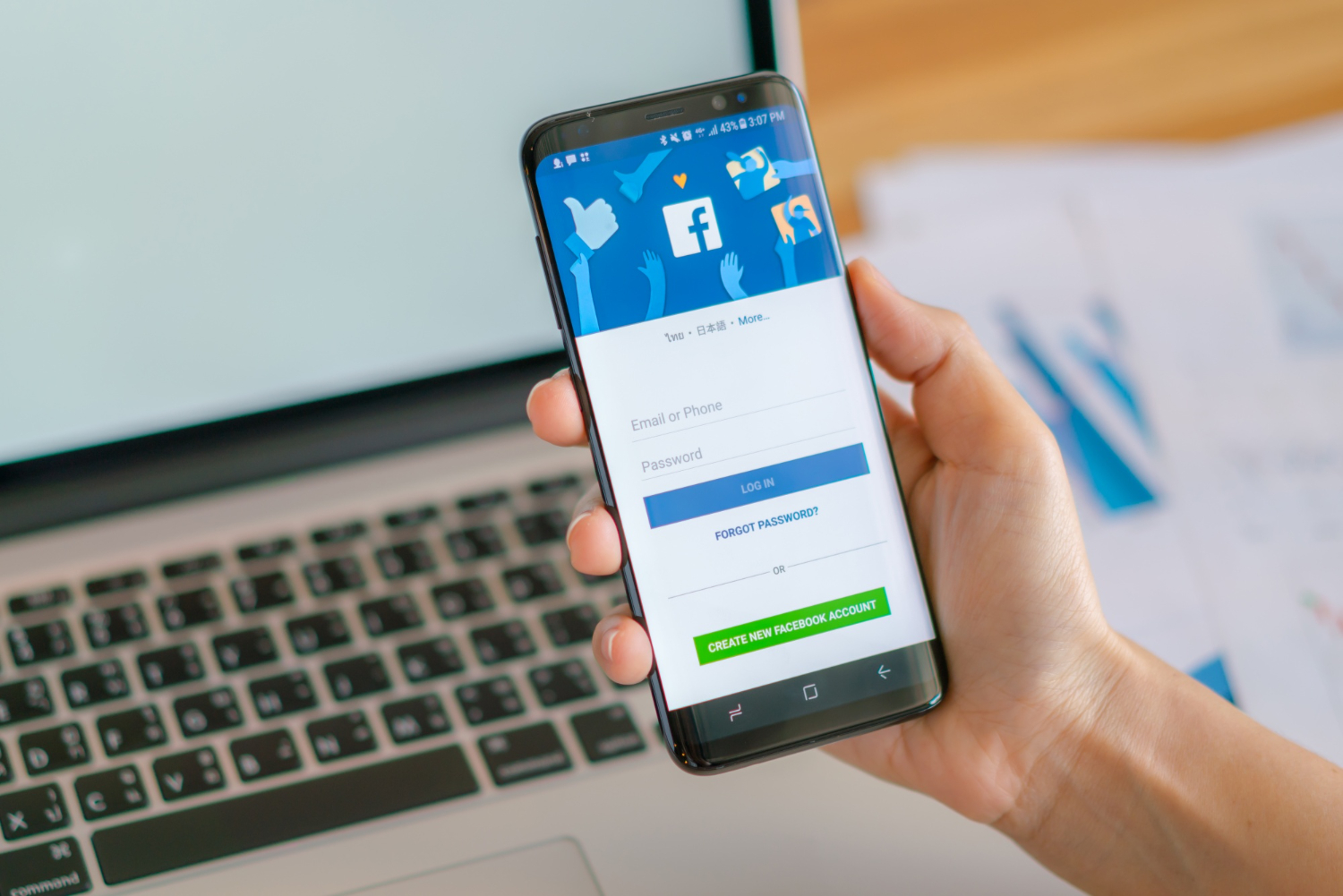
How to Maximise Facebook Messenger to Grow Your Brand: 6 Top Tips
What is the difference between private vs public messaging?
Public messages are great for conversations you don't mind anyone seeing. This includes your mom or your future boss. However, they’re not always the best fit, especially for:
- Handling sensitive issues.
- Sharing personal information (like contact details or order numbers).
- Pitching collaborations or resolving complaints.
For brands, creators, and social teams, knowing when to shift a conversation from public to private can prevent miscommunications and strengthen relationships with followers.
What is the role of DMs in social media engagement?
DMs have become a key part of how people communicate on social media.
Many users now rely on social messaging to stay in touch with friends and family, and they expect brands to be just as accessible.
For businesses, being available via DM is essential. Direct messages make the interaction feel more personal and immediate. This is the case whether someone’s asking a quick question, reporting an issue, or exploring a partnership.
And, that’s exactly what customers want.
- Asynchronous, private channels are booming. 75% of people now prefer private messaging with a business over more traditional channels.
- 78% of customer service reps agree that customers expect more personalized experiences than ever before. (HubSpot)
- When customers contact a brand on social media, 76% expect a response within 24 hours. (Sprout Social Index)
If you’re going to use DMs as a means of increasing social media engagement, you still need a thoughtful strategy. Here’s what to consider.
Customer service that feels human
DMs are a go-to channel for customer support. Many users now send questions directly through Instagram, Facebook, or X when they need help.
Responding quickly shows you’re listening—and builds trust and loyalty in the process.
With tools like Sendible’s Priority Inbox, your team can manage Facebook Page DMs, alongside comments from different platforms.
Here's a quick breakdown of what's included in this feature:
- Facebook Page: comments, replies, direct messages
- Facebook Ads: comments
- Instagram Professional: comments, likes, reposts
- LinkedIn Company Page: replies
- YouTube: comments

Influencer and partnership outreach
DMs are often the first step toward collaboration.
A casual, well-timed message can start a relationship that turns into brand advocacy or a paid partnership.
Influencers also use DMs to pitch themselves to brands, so having a DM process in place helps you spot and respond to the right opportunities.
Lead generation
Small businesses and creators often use DMs to follow up with people who’ve interacted with their posts or ads. It’s a great way to answer questions, offer promotions, or share more details in a personal, conversational tone.
A thoughtful DM can turn casual interest into a genuine lead, and potentially, a paying customer.
Using direct messages for social commerce and sales
DMs are not limited to customer support and lead generation. They can also effectively be used for sales and conversion.
This can be done by personalized DMs with shopping recommendations as an example.
Glossier did this when customers would frequently message them on social media asking for help with shade matching for concealers and skin tints. The GTeam chatbot would ask for current products, preferred finish, and the customer's skin type to recommend shades along with the option to add it it to cart with optional samples for testing.
This is a great example of how DMs can be used to convert customers who are confused, need help, or are on the edge.
Best practices for using DMs effectively
DMs offer a direct line to the audience, and plenty more benefits, as we’ve just touched on. However, if you don’t have a plan, dealing with messages properly can get out of hand quickly.
For social media managers overseeing multiple clients, it’s easy to become overwhelmed on a busy day.
Let’s take a look at a few best practices to help keep communication clear, timely, and professional:
- Set up pre-written replies to save time: Set up templated responses for FAQs, like order updates, booking info, or business hours.
Not only does this speed things up, but it also keeps your tone consistent. Plus, you can set responses to go out automatically, so customers get a quick reply. - Respond as quickly as possible: 77% of customers expect to interact with someone immediately when they contact a company which highlights the growing value of quick and effective communication and support.
Quick responses show you’re attentive, giving your brand an edge in a competitive space. - Stay organised with labels and notes: When multiple team members are involved in managing DMs, things can slip through the cracks. With Sendible, you can assign DMs to individuals and prioritise important comments and messages so you can always be reliable.
- Be personal but stay professional: Sounding human is a good thing, but avoid crossing into overly casual territory unless it suits your brand voice. Tailor your tone and always review messages before hitting send. One awkward DM can become a viral screenshot in seconds. Also make sure to not use copy-paste templates as you go forward, 70% of customers want customer support to be personalized according to a Sprout Social report.
DM etiquette – What to do and avoid
DMs can build strong relationships, or sink them just as fast. The key is to be professional without sounding robotic, overly casual, or out of touch.
Here’s a breakdown of the dos and don’ts.
Do:
- Keep DMs short and clear: DMs aren’t emails. Be concise and get to the point to keep the conversation moving.
- Use a real name or team signature: Even in a shared inbox, it helps to sign off with a name so the DM feels personal.
- Acknowledge the message, even if you don’t have the answer yet: A quick, ”Got it, we’re checking on this for you”, can go a long way.
- Match the tone to your brand: Keep messaging consistent with how your brand sounds elsewhere.
- Use emojis sparingly and intentionally: They’re fine for warmth and tone, but not as a replacement for clear wording.
Don’t:
- Copy and paste generic responses: People can tell. Tailor your reply, even if it’s just adding a name or referencing their questions.
- Ignore or ghost follow-up: If someone’s waiting on you, close the loop, even if it’s just to say you’re still looking into it.
- Overuse slang or trendy language: Unless it’s part of your brand, trying too hard can backfire.
- Respond defensively: If a message is negative, take a moment before replying. Aim to de-escalate, not argue.
- Send messages without context: Always remind the recipient who you are and why you’re reaching out. Without context, your message may be ignored.

FAQs about direct messages
What does DM mean?
DM stands for direct message — a private conversation between two users, unlike a public comment or reply.
Is a DM called the same thing on every platform?
The function is identical, but the name varies: Instagram, X, and Facebook call it "DM" or "Messages"; LinkedIn calls it "Messages"; TikTok and YouTube use "Chat" or in-app notifications.
Try Sendible free with 14-day free trial.
Leverage Sendible’s extensive integrations to create, schedule, publish, and engage with your posts seamlessly.

Text copied!